Introduction
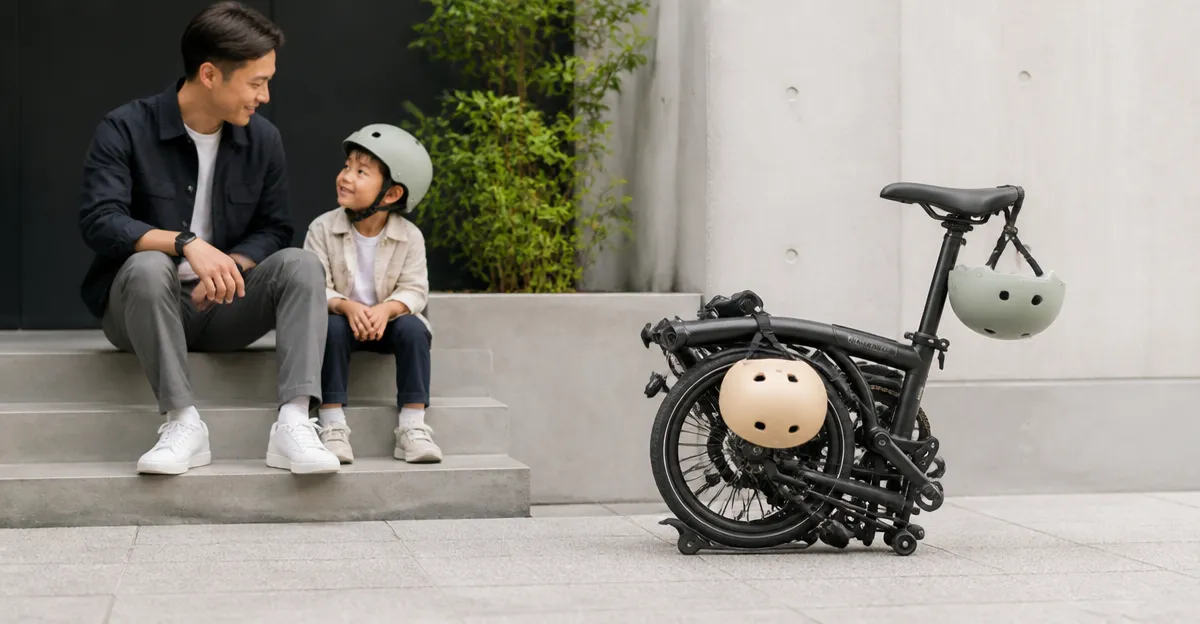
Parents who use folding bicycles often encounter the challenge of transporting children’s helmets without sacrificing the compactness that makes the bike attractive. This guide explains seven secure, space‑saving methods that preserve the folded profile while keeping helmets protected from damage. Readers will learn how to select appropriate accessories, how to install each solution, and why each approach enhances safety and convenience. By following the instructions, one can enjoy seamless rides with children’s protective gear ready for the next adventure.
What You’ll Need
- Adjustable bike rack or rear cargo strap
- Compact helmet bag or sleeve
- Velcro straps or bungee cords
- Optional: Lamicall Handlebar Phone Holder for navigation while securing helmets
Step 1: Choose a Dedicated Helmet Sleeve
Select a lightweight helmet sleeve that folds flat when not in use. The sleeve should feature a zippered closure and interior padding to guard against scratches. Place the helmet inside the sleeve before attaching it to the bike to keep the surface clean and to reduce aerodynamic drag. This method requires no permanent hardware and can be removed quickly when the bike is stored.
Step 2: Attach the Sleeve to the Frame Triangle
Secure the helmet sleeve to the lower triangle of the bike frame using a set of adjustable Velcro straps. Loop the straps around the downtube and seat tube, then tighten until the sleeve sits snugly without shifting during motion. The frame triangle provides a stable anchor point that does not interfere with the folding mechanism. Verify that the helmet remains upright and that the straps do not obstruct the wheel hubs.
Step 3: Use a Rear Cargo Rack with a Clip‑On Basket
If the folding bike is equipped with a rear cargo rack, install a small clip‑on basket designed for helmets. The basket should have side walls tall enough to contain the helmet but shallow enough to keep the bike’s center of gravity low. Secure the helmet inside the basket with a single bungee cord, ensuring the cord is taut but not overly tight. This arrangement allows the helmet to be removed in a single motion when the rider reaches the destination.
Step 4: Employ a Universal Bike Bag with Internal Compartments
Purchase a universal bike bag that includes separate compartments for accessories. Place the helmet in the dedicated compartment, which often includes a mesh lining for ventilation. Attach the bag to the bike’s rear rack using the built‑in straps, making sure the bag does not protrude beyond the bike’s folded width. This solution protects the helmet from dust while providing additional storage for items such as a water bottle or lock.
Step 5: Mount a Phone Holder for Navigation While Securing the Helmet
When riding in unfamiliar areas, it is advantageous to have a clear view of navigation instructions. The Lamicall Handlebar Phone Holder offers a sturdy clamp that grips phones ranging from 4.7 to 6.8 inches, making it compatible with most smartphones. Its silicone pads protect the device from vibration and scratches, while the red locking switch prevents accidental release on bumpy roads. By mounting the phone on the handlebar, the rider can monitor directions while keeping both hands free to adjust helmet straps or load the helmet onto the chosen storage method.
Step 6: Utilize a Fold‑Over Handlebar Clamp
A fold‑over handlebar clamp is a compact accessory that slides onto the handlebar and folds flat when not in use. Position the clamp opposite the phone holder to balance weight distribution. Loop a thin strap through the clamp and around the helmet’s rear vent, then tighten. This method keeps the helmet close to the rider’s center of mass, reducing sway during acceleration and braking. The clamp’s low profile ensures that the bike remains easy to fold and transport on public transit.
Step 7: Combine a Quick‑Release Lever with a Soft Carry Strap
For families that frequently transition between riding and walking, a quick‑release lever attached to a soft carry strap offers maximum flexibility. Attach the lever to the bike’s top tube using a small screw‑in mount, then thread a padded strap through the lever and around the helmet’s chin area. When the lever is engaged, the strap holds the helmet securely; releasing the lever allows the helmet to be lifted off in a single motion. The padded strap prevents pressure points on the helmet shell, preserving its structural integrity.
Tips & Pro Tips
- Measure the diameter of your bike’s handlebars before purchasing any clamp‑type accessory to ensure compatibility.
- When using Velcro straps, press the hook and loop surfaces together firmly to avoid gradual loosening during long rides.
- Store the helmet in a breathable sleeve to prevent moisture buildup, especially in humid climates.
- Test the stability of each method on a short ride before embarking on a longer journey.
Troubleshooting
Problem: The helmet shifts while riding.
Solution: Add an additional silicone pad or tighten the existing strap by a half‑turn. Verify that the strap crosses the helmet at a point where the shell is widest, which provides a more secure grip.
Problem: The phone holder interferes with the helmet strap.
Solution: Relocate the phone holder to the opposite side of the handlebar or choose a slimmer phone model that occupies less horizontal space.
Conclusion
Transporting children’s helmets on a folding bike need not compromise the bike’s compact design or the rider’s safety. By applying the seven methods outlined above, one can secure helmets efficiently while preserving space for other essentials. The recommended accessories, such as the Lamicall Handlebar Phone Holder, enhance the overall riding experience by providing navigation support without adding bulk. Implement these strategies on the next outing and enjoy a smoother, more organized ride.
Products Mentioned in This Guide
Lamicall Handlebar Phone Holder
Rating: 4.6/5.0 (67,557 reviews)
Price: See Amazon for current price
Frequently Asked Questions
What is the best way to keep a child’s helmet protected while folding the bike?
Use a zippered, padded helmet sleeve that folds flat and store the helmet inside before folding the bike.
Can a rear cargo strap be used to carry helmets without adding bulk?
Yes, an adjustable rear cargo strap can secure a compact helmet bag or sleeve while maintaining the bike’s slim profile.
Are Velcro straps or bungee cords more secure for helmet transport?
Velcro straps provide a quick, adjustable hold, while bungee cords offer stretch for irregular shapes; both work well when paired with a dedicated sleeve.
Do I need a special rack to transport multiple helmets on a folding bike?
A lightweight, detachable bike rack with built-in straps can hold several helmet sleeves without compromising the bike’s foldability.
How does a handlebar phone holder help when securing helmets?
A handlebar phone holder frees your hands for helmet straps and lets you navigate safely while the helmets are secured.