Introduction
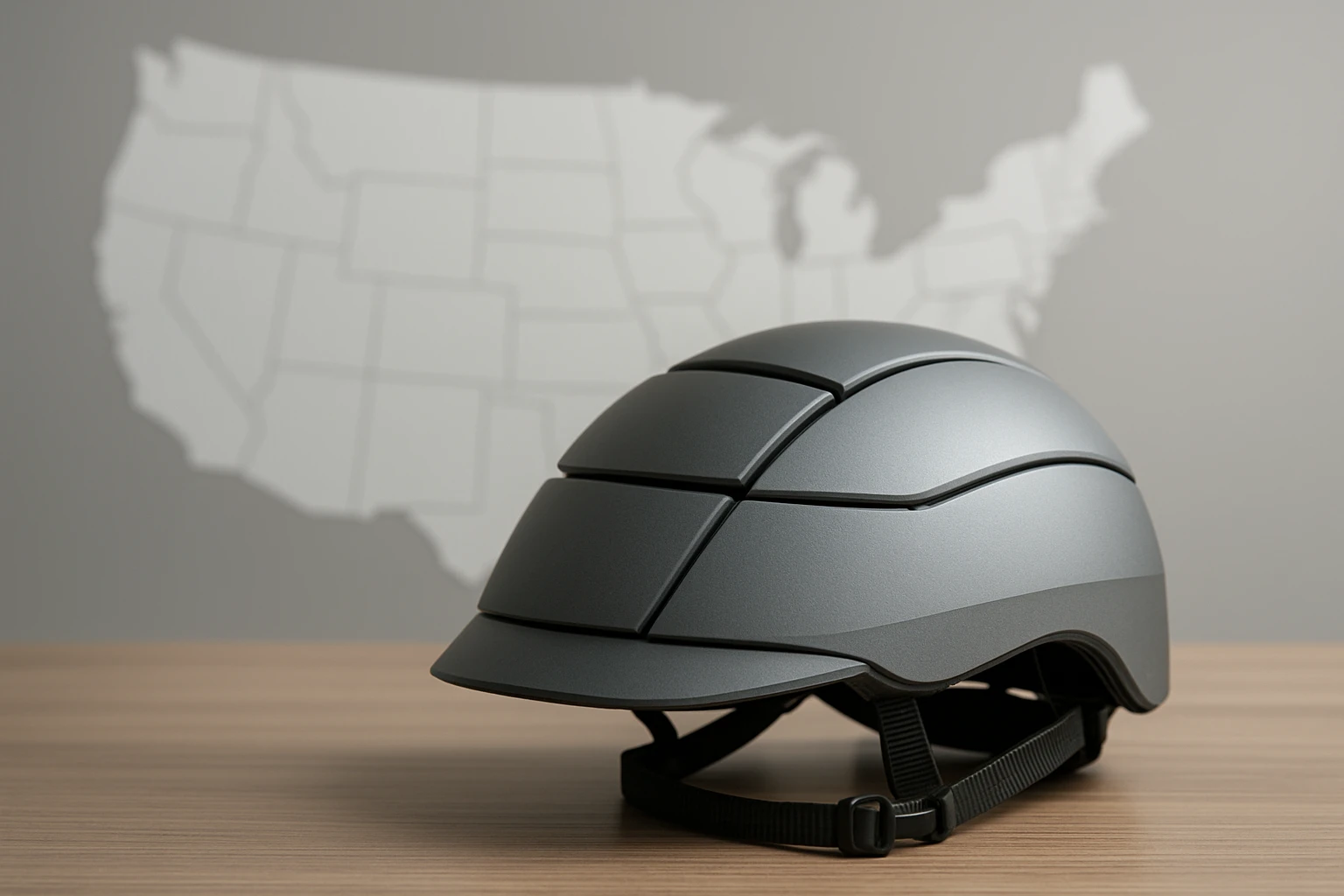
This guide examines the legality of foldable helmets in every United States jurisdiction, clarifies the safety standards that govern their design, and offers actionable advice for riders who seek compliance without sacrificing convenience. Readers will learn which states mandate helmet use for specific activities, how foldable helmets are evaluated against certification criteria, and which commercially available models meet both legal and performance requirements. By the end of the article, one will possess a clear roadmap for selecting a legally acceptable helmet that aligns with personal riding habits.
The discussion balances statutory analysis with practical product recommendations, ensuring that the information remains useful to cyclists, skateboarders, and inline skaters alike. The guide adopts an authoritative tone, drawing on official transportation codes, industry safety standards, and real‑world user feedback.
Background and Context
Helmet legislation in the United States originated in the early 1990s as a response to rising head‑injury statistics among bicyclists and skateboarders. Each state enacted its own statutes, resulting in a mosaic of requirements that differ by age, activity, and sometimes even by municipality. In parallel, the Consumer Product Safety Commission (CPSC) established baseline safety standards for helmets intended for bicycling, skateboarding, and roller sports. These standards address impact attenuation, retention system strength, and field‑of‑view protection.
Foldable helmets emerged as a niche product designed for commuters and recreational riders who value portability. The folding mechanism typically involves a hinged shell or removable crown that collapses to a compact shape. While convenient, the design introduces additional engineering challenges, such as maintaining structural integrity at the hinge and ensuring consistent impact performance across the folded and unfolded states.
Because the CPSC does not maintain a separate certification for foldable helmets, manufacturers must demonstrate compliance with the same impact‑absorption tests required of traditional helmets. Some states, however, interpret the regulations narrowly and may question whether a foldable model satisfies the “hard shell” requirement. Understanding these nuances is essential for anyone who wishes to ride legally and safely.
Understanding State Helmet Laws
State helmet statutes can be grouped into three primary categories: universal mandates, age‑specific mandates, and activity‑specific mandates. Universal mandates require all riders, regardless of age, to wear a helmet while engaged in the covered activity. Age‑specific mandates apply only to riders below a designated age, typically ranging from 8 to 18 years. Activity‑specific mandates target particular sports, such as mountain biking or inline skating, and may vary within a state based on whether the activity occurs on public roadways or private trails.
For example, California enforces a universal helmet law for cyclists of any age, while Texas imposes a helmet requirement only for riders under the age of 18. In contrast, Colorado applies a universal mandate for mountain biking on public trails but does not require helmets for casual street cycling. Each jurisdiction also defines the types of helmets that satisfy the law, often referencing compliance with CPSC certification or equivalent standards such as the Snell B-95 rating.
When evaluating foldable helmets, it is crucial to verify that the model carries the official CPSC certification label. The label confirms that the helmet has passed the requisite impact tests and that the retention system meets minimum strength requirements. In states that reference “DOT‑approved” or “Snell‑certified” helmets, a foldable helmet without those specific endorsements may be deemed non‑compliant, even if it meets CPSC standards.
Foldable Helmets: Definition and Safety Standards
A foldable helmet is defined by its ability to collapse into a reduced‑size configuration without compromising the protective shell when reassembled. The primary safety standards that govern these helmets are:
- CPSC 16 CFR Part 1203: Requires a minimum impact attenuation of 275 g on a flat anvil and a retention system that can withstand a pull force of 5 pounds.
- Snell B‑95 (optional): Provides a higher impact threshold and stricter coverage requirements, often favored by high‑speed cyclists.
- EN 1078 (European standard): Addresses helmets for skateboarding, roller‑skating, and similar activities, emphasizing peripheral vision and ventilation.
Manufacturers of foldable helmets must ensure that the hinge or removable crown does not create a weak point that could fail under impact. Rigorous testing includes repeated folding cycles, impact tests on both the hinge and the main shell, and assessments of ventilation performance when the helmet is unfolded.
Consumers should look for explicit statements on the product page indicating compliance with the above standards. The presence of a CPSC certification label, a Snell rating, or an EN 1078 mark provides confidence that the helmet has undergone the necessary evaluations.
Product Recommendations for Legal Compliance
Two helmets currently available on Amazon demonstrate strong compliance with CPSC standards while offering features that cater to a variety of sports. The first recommendation is the OutdoorMaster Multi‑Sport Helmet. This model incorporates a reinforced ABS shell and a thickened EPS core, both of which contribute to impact resistance. It also includes two removable liners, allowing riders to adjust fit for different head sizes and to keep the interior clean after intense activity.
The helmet’s ventilation system promotes airflow, reducing heat buildup during prolonged rides. Its double‑adjustment dial and skin‑friendly chin strap ensure a secure fit, a critical factor for meeting retention‑system standards. With a rating of 4.6 out of 5 stars from over 22,000 reviews, the OutdoorMaster helmet enjoys broad consumer confidence and is priced at $28.99, making it an affordable option for riders seeking legal compliance without excessive expense.
The second recommendation is the EASTINEAR Bike Helmet with Light & Shield. This helmet features a high‑density EPS liner and a robust PC shell, meeting CPSC impact‑attenuation criteria. Its standout feature is the magnetic sun goggle, which provides protection from glare, wind, and debris—beneficial for cyclists who ride in varied weather conditions.
Additionally, the helmet integrates a USB‑rechargeable rear LED with three lighting modes, enhancing visibility in low‑light environments. The multidimensional adjustment system permits precise sizing, ensuring that the helmet remains securely positioned during impact. With a rating of 4.6 out of 5 stars from 1,331 reviewers and a price of $36.99, the EASTINEAR helmet offers advanced safety features at a moderate price point.
Comparison and Selection Guide
| Feature | OutdoorMaster Multi‑Sport Helmet | EASTINEAR Bike Helmet with Light & Shield |
|---|---|---|
| Shell Material | Reinforced ABS | Polycarbonate (PC) |
| Impact Core | Thickened EPS | High‑density EPS |
| Ventilation | Smooth ventilation system | Eight symmetrical vents |
| Adjustability | Dial + chin strap | Multidimensional regulation |
| Additional Features | Two removable liners | Magnetic goggle, USB LED |
| Price | $28.99 | $36.99 |
| Average Rating | 4.6/5 (22,076 reviews) | 4.6/5 (1,331 reviews) |
When selecting a helmet for legal compliance, riders should prioritize CPSC certification, a secure retention system, and a fit that accommodates the specific activity. The OutdoorMaster helmet excels for multi‑sport users who require a lightweight, ventilated design, whereas the EASTINEAR helmet is ideal for cyclists who value integrated lighting and sun protection.
Best Practices and Tips
- Measure head circumference accurately using a flexible tape measure placed one inch above the eyebrows; select a size that falls within the manufacturer’s recommended range.
- Inspect the hinge or folding mechanism before each ride; any signs of wear, cracks, or looseness may compromise impact protection.
- Replace a helmet after any significant impact, even if visual damage is minimal, because the EPS core can be internally compromised.
- Combine a legally compliant helmet with reflective clothing and additional lighting to enhance visibility, especially in states with strict night‑time safety statutes.
- Maintain documentation of the helmet’s certification label and purchase receipt; some jurisdictions require proof of compliance during traffic stops.
Frequently Asked Questions
1. Are foldable helmets recognized by the CPSC?
Yes. The CPSC does not differentiate between foldable and non‑foldable helmets as long as the product meets the impact‑attenuation and retention‑system requirements outlined in 16 CFR Part 1203.
2. Can I ride a foldable helmet on public roads in California?
California requires all cyclists to wear a helmet that complies with CPSC standards. A foldable helmet bearing the CPSC certification label is permissible, provided it fits securely and the hinge does not exhibit damage.
3. Do any states prohibit the use of magnetic goggles?
No state currently bans magnetic goggles, but riders should ensure that the goggles do not obstruct peripheral vision, as some local ordinances mandate a minimum field of view for helmets used while cycling.
4. How often should I replace my foldable helmet?
Manufacturers generally recommend replacement every three to five years, or immediately after a collision that results in a hard impact, even if the exterior appears undamaged.
5. Are there tax incentives for purchasing safety‑compliant helmets?
Some municipalities offer rebates or tax credits for safety equipment, but these programs vary widely. Riders should consult local government websites for specific details.
6. Does the presence of a rear LED affect helmet legality?
No. Integrated lighting devices are considered accessories and do not influence the helmet’s compliance status, though they can improve safety by increasing visibility.
7. What should I do if my state’s law is ambiguous about foldable helmets?
When uncertainty exists, it is prudent to contact the state department of transportation or a local law‑enforcement agency for clarification. Carrying proof of CPSC certification can help demonstrate compliance.
Conclusion
The legal landscape for foldable helmets in the United States is shaped by a combination of state statutes, CPSC safety standards, and manufacturer compliance. Riders who verify certification, maintain proper fit, and select a helmet that aligns with their specific sport will meet legal requirements in most jurisdictions. By following the best‑practice recommendations outlined above, individuals can enjoy the convenience of a foldable helmet while protecting themselves against head injuries and potential citations.
Ultimately, safety should remain the primary driver of any helmet purchase decision. The OutdoorMaster Multi‑Sport Helmet and the EASTINEAR Bike Helmet with Light & Shield exemplify products that satisfy both legal and performance criteria, offering riders confidence on the road and trail.
Products Featured in This Guide
OutdoorMaster Multi‑Sport Helmet
Price: $28.99 | Rating: 4.6/5 (22,076 reviews)
Why it is featured: This helmet meets CPSC impact standards, provides two removable liners for adjustable fit, and includes a ventilation system that makes it suitable for a wide range of activities while remaining affordable.
EASTINEAR Bike Helmet with Light & Shield
Price: $36.99 | Rating: 4.6/5 (1,331 reviews)
Why it is featured: The helmet combines CPSC‑approved impact protection with a magnetic sun goggle and a USB‑rechargeable rear LED, addressing both safety compliance and enhanced visibility for cyclists.