Introduction
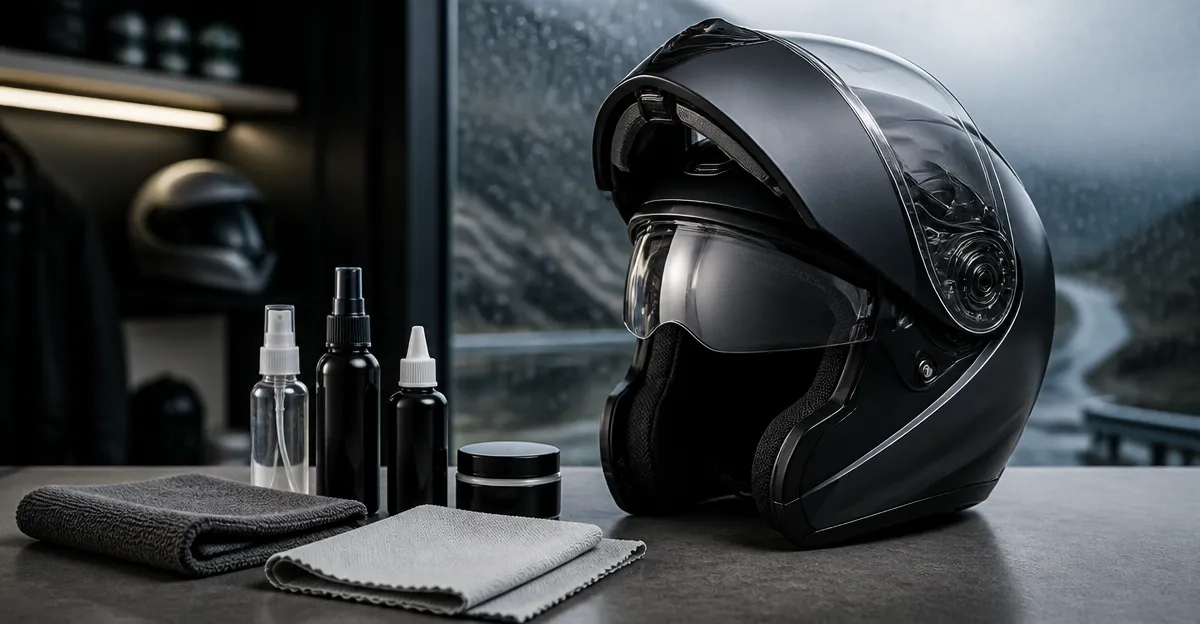
Fogging on foldable helmet visors presents a safety risk for motorcyclists, cyclists, and outdoor enthusiasts. This guide explains the science of fog formation, evaluates the most effective anti‑fog treatments, and provides actionable recommendations. Readers will learn how to select a solution that matches their riding style, climate, and budget. The article also includes a side‑by‑side comparison of three highly rated products available on Amazon.
Background and Context
Fog develops when warm, moist air contacts a cooler surface, causing water vapor to condense into tiny droplets. In a helmet, the visor temperature often drops during high‑speed travel or when ambient humidity rises, especially in rainy or cold conditions. The resulting mist reduces visual clarity and can lead to delayed reaction times. Understanding the mechanisms of condensation allows riders to choose preventative measures that target the root cause rather than merely masking the symptom.
Two primary approaches exist for fog control: altering the surface energy of the visor to repel water, and managing the temperature differential between the interior and exterior of the helmet. Surface‑active agents, commonly known as surfactants, lower the surface tension of water so that droplets spread into a uniform, transparent film. Temperature management may involve ventilation upgrades or heated visor inserts, but these solutions are often costly or require technical installation.
For most riders, a chemical anti‑fog treatment applied directly to the visor offers the most practical balance of effectiveness, cost, and ease of use. The products reviewed in this guide have been selected based on Amazon rating, review volume, and relevance to foldable visor materials such as polycarbonate and acrylic.
Key Categories of Anti‑Fog Solutions
Spray‑On Anti‑Fog Treatments
Spray‑on solutions create a thin, invisible layer that prevents water droplets from coalescing. They are typically formulated with surfactants that remain active for several weeks, depending on environmental exposure and cleaning frequency. The first product examined is the Invisible Glass Anti‑Fog Spray, which is marketed for automotive windshields but performs equally well on helmet visors due to its polymer‑compatible formulation.
Key attributes of this spray include a streak‑free finish, a money‑back guarantee, and manufacture in the United States. At a price of $9.99, it offers a cost‑effective solution for riders who prefer a DIY application. The product holds a 4.0 out of 5.0 rating based on 1,491 reviews, indicating reliable performance across a broad user base.
Application requires a clean, dry visor, a light mist of the spray, and a brief period for the solvent to evaporate. Once cured, the visor remains clear for several weeks, after which a re‑application restores the anti‑fog barrier.
Spray with Microfiber Cloth Kits
Some manufacturers bundle a spray with a dedicated cleaning cloth to ensure optimal distribution of the anti‑fog agent. The ZEISS Fog Defender Spray follows this model, providing a single‑use bottle and a high‑quality microfiber cloth.
ZEISS is renowned for optical precision, and its fog‑defender formula promises up to 72 hours of fog‑free vision. The product is priced at $9.99 and carries a 4.3 out of 5.0 rating from 6,817 reviewers, reflecting strong consumer confidence. Its ease of use—spray both sides of the visor and wipe until dry—makes it suitable for riders who require quick preparation before a ride.
The inclusion of a microfiber cloth reduces the risk of scratching delicate visor coatings, a common concern when using abrasive fabrics. This kit is especially advantageous for riders who frequently clean their visors during multi‑day trips.
Pre‑Moistened Anti‑Fog Wipes
Pre‑moistened wipes offer the most portable anti‑fog solution, eliminating the need for a spray bottle. The ARCHXX Anti‑Fog Lens Wipes are individually wrapped, ensuring hygiene and convenience for on‑the‑go applications.
Each wipe contains a balanced mixture of surfactants that provide up to 12 hours of fog protection after a single application. Priced at $12.95 for a pack of 120, the wipes have a 4.2 out of 5.0 rating based on 850 reviews. Their ammonia‑free, non‑abrasive composition makes them safe for coated visor surfaces, including anti‑scratch and anti‑UV layers.
Because the wipes are sealed, they remain effective even after extended storage in a glove compartment or backpack. Riders who travel across varied climates often appreciate the ability to quickly treat a visor without carrying a liquid container.
Comparison and Selection Guide
Choosing the appropriate anti‑fog product depends on three primary factors: application convenience, durability, and compatibility with visor materials. The table below summarizes the essential characteristics of each product.
| Feature | Invisible Glass Anti‑Fog Spray | ZEISS Fog Defender Spray | ARCHXX Anti‑Fog Lens Wipes |
|---|---|---|---|
| Form Factor | 8 oz spray bottle | Spray bottle + microfiber cloth | Pre‑moistened wipes (120 ct) |
| Price (USD) | 9.99 | 9.99 | 12.95 |
| Amazon Rating | 4.0 / 5.0 (1,491 reviews) | 4.3 / 5.0 (6,817 reviews) | 4.2 / 5.0 (850 reviews) |
| Fog‑Free Duration | Several weeks (depends on cleaning) | Up to 72 hours | Up to 12 hours |
| Streak‑Free Guarantee | Yes | Yes | Yes |
| Material Compatibility | Polycarbonate, acrylic, glass | All optical lenses, including coated surfaces | Ammonia‑free, safe for coated lenses |
Riders who prioritize long‑term protection and are comfortable with periodic re‑application may prefer the Invisible Glass spray. Those who need a rapid, repeatable solution for short rides might select the ZEISS spray, especially because the bundled cloth minimizes the risk of surface damage. For adventurers who require a lightweight, travel‑ready option, the ARCHXX wipes deliver convenience without compromising safety.
Best Practices and Tips for Fog‑Free Riding
- Clean the visor thoroughly before applying any anti‑fog product; residual dust or oil can reduce efficacy.
- Apply the treatment in a well‑ventilated area to allow solvents to evaporate completely, preventing inhalation hazards.
- Avoid excessive moisture on the visor after treatment; a light mist is sufficient for uniform coverage.
- Use the visor’s built‑in ventilation system whenever possible; increased airflow reduces temperature differentials.
- Consider a thin, breathable liner inside the helmet to absorb sweat, as perspiration contributes to internal humidity.
- Re‑apply anti‑fog treatments after cleaning the visor with alcohol‑based cleaners, as these can strip existing protective layers.
By integrating these practices with an appropriate product, riders can maintain clear visibility across diverse weather conditions. Consistency in maintenance yields the most reliable fog‑free experience.
Frequently Asked Questions
1. How often should anti‑fog spray be reapplied?
Reapplication frequency depends on usage intensity and cleaning habits. For most riders, a fresh coat every two to three weeks maintains optimal performance.
2. Are anti‑fog products safe for visor coatings?
All three products reviewed are formulated to be safe on standard polycarbonate and acrylic coatings. However, riders should verify that their visor does not have a specialized anti‑scratch or anti‑UV layer that requires a specific manufacturer‑approved treatment.
3. Can the anti‑fog layer be removed?
Yes. A gentle glass cleaner or a mixture of mild dish soap and water can dissolve the surfactant layer. After removal, the visor should be rinsed and dried before applying a new treatment.
4. Do anti‑fog wipes work on tinted visors?
They do, provided the wipes are ammonia‑free and non‑abrasive, as is the case with the ARCHXX wipes. Tinted visors often have additional coatings, so testing on a small inconspicuous area is advisable.
5. Is it necessary to use a microfiber cloth with spray products?
Using a microfiber cloth helps distribute the product evenly and prevents micro‑scratches. While the Invisible Glass spray can be spread with a clean lint‑free cloth, the ZEISS kit includes an optimized cloth for best results.
6. Will heated visor inserts eliminate the need for anti‑fog treatments?
Heated inserts significantly reduce fog formation by maintaining a uniform visor temperature, but they add weight and cost. Many riders still use anti‑fog sprays as a backup in case the heating element fails.
Conclusion
Fog on foldable helmet visors compromises safety and rider confidence. Understanding the physics of condensation enables riders to select the most suitable anti‑fog strategy. The Invisible Glass Anti‑Fog Spray offers long‑lasting protection for budget‑conscious riders, the ZEISS Fog Defender provides rapid, repeatable results with a dedicated cloth, and the ARCHXX Anti‑Fog Lens Wipes deliver unmatched portability for on‑the‑go applications. By following the best‑practice guidelines and choosing a product aligned with personal riding habits, one can achieve consistently clear vision in all weather conditions.
Products Featured in This Guide
Invisible Glass Anti-Fog Spray
Price: $9.99 | Rating: 4.0 out of 5.0 (1,491 reviews)
Featured because it provides a streak‑free, long‑lasting coating suitable for polycarbonate and acrylic visors, with a money‑back guarantee.
ZEISS Fog Defender Spray
Price: $9.99 | Rating: 4.3 out of 5.0 (6,817 reviews)
Featured because it combines a high‑performance spray with a microfiber cloth, delivering up to 72 hours of fog‑free vision and safe use on coated lenses.
ARCHXX Anti-Fog Lens Wipes
Price: $12.95 | Rating: 4.2 out of 5.0 (850 reviews)
Featured because it offers a convenient, travel‑ready solution that is ammonia‑free, non‑abrasive, and safe for all visor coatings, providing up to 12 hours of fog protection per wipe.