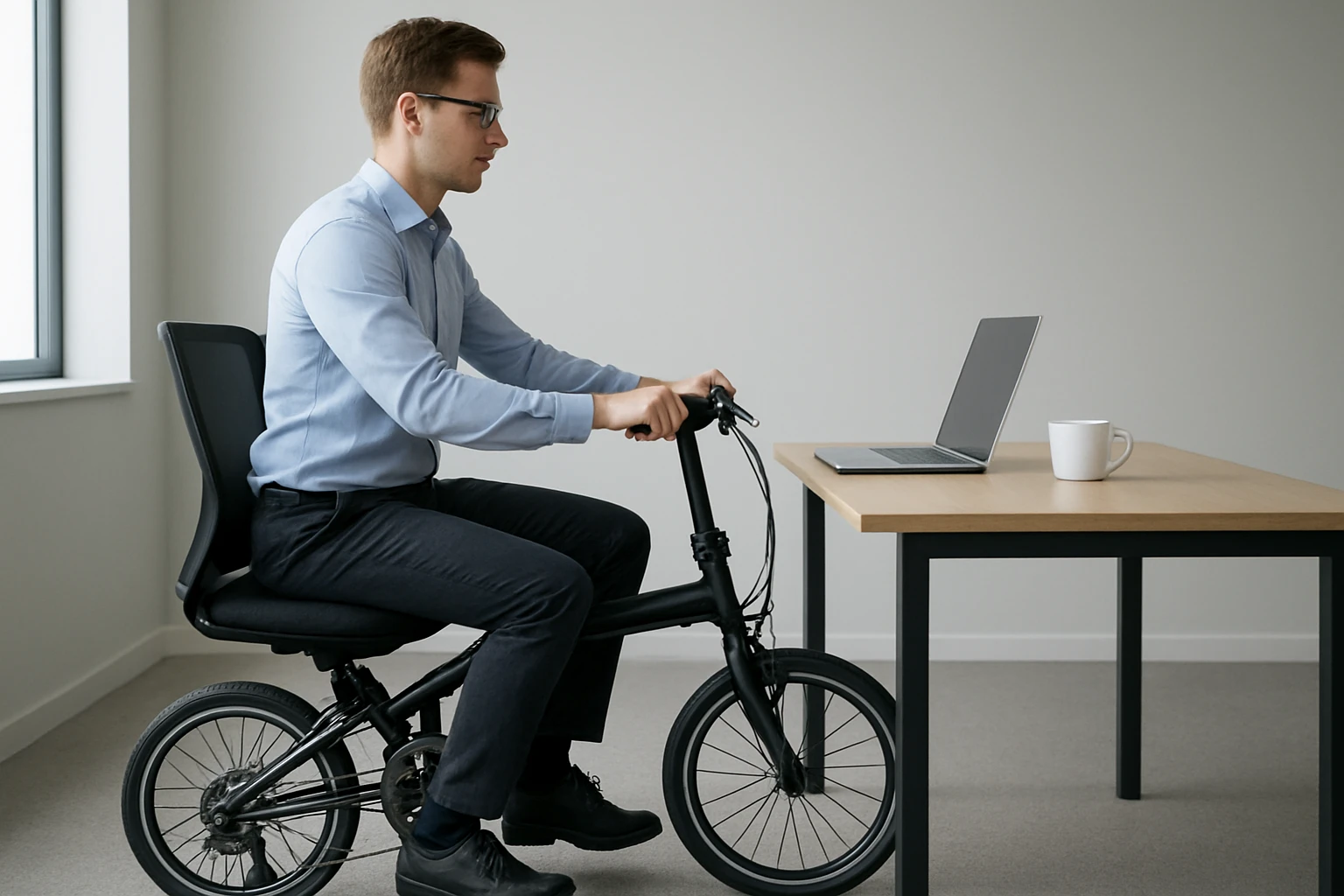

Ergonomic Setup for Folding Bike Commuters: The Ultimate Guide to Comfort & Efficiency
Introduction
Folding bike commuters often face unique challenges that differ from traditional cyclists. This guide explains how to achieve an ergonomic riding position, select accessories that enhance comfort, and maintain efficiency during daily travel. Readers will learn foundational biomechanics, practical setup steps, and product recommendations that address common pain points. By the end of the article, one will be equipped to transform a compact bike into a well‑tuned commuting machine.
Background and Context
Ergonomics is the science of fitting equipment to the human body to reduce strain and improve performance. For folding bikes, the limited frame geometry demands careful adjustment of saddle height, handlebar reach, and accessory placement. Research shows that improper saddle height can increase knee joint stress by up to 30 percent, while excessive handlebar reach contributes to shoulder and neck tension. Understanding these principles enables commuters to make evidence‑based decisions rather than relying on trial and error.
In addition to body mechanics, environmental factors such as weather, road surface, and load distribution affect comfort. A waterproof phone bag protects navigation devices during rain, while ergonomic grips reduce hand fatigue on uneven pavement. Selecting components with proven durability and positive user feedback further ensures reliability on the daily commute.
Optimizing Bike Geometry
The first step in an ergonomic setup is adjusting the bike’s geometry to match the rider’s anthropometry. Measure inseam length, torso length, and arm reach. Use these measurements to set saddle height at approximately 109 % of inseam when the foot is positioned at the pedal’s lowest point. Adjust saddle fore‑aft so that the knee aligns over the pedal axle during the forward stroke.
Handlebar height and reach should allow a slight bend in the elbows, typically 20‑30 degrees, to absorb road vibrations. For folding bikes with a compact top tube, a stem extension or a handlebar riser can provide the necessary reach without compromising foldability. Once geometry is dialed in, fine‑tune the position of accessories to maintain a balanced center of gravity.
Essential Accessories for Ergonomic Comfort
While geometry creates the foundation, accessories address specific discomfort sources. The following products have been selected for their relevance to folding bike commuters.
Phone Protection and Accessibility
The Lamicall Waterproof Bike Phone Bag offers a 2‑in‑1 design that mounts on the top tube or stem, providing quick install and removal. Its 1.3 L capacity stores a phone (4.7‑7 inches), charger, wallet, and keys, while a rain cover ensures water resistance. Users rate the bag 4.4 out of 5 stars based on 1,589 reviews, highlighting its durable material and sensitive‑touch capability.
Handlebar Grip Comfort
For riders seeking a soft yet secure grip, the GPMTER Single‑Lock Bike Grips provide a gel‑filled layer over high‑friction rubber. The aluminum alloy lock‑on system prevents slippage, and the grips fit handlebars with a 22.2 mm diameter, covering 90 % of bike types. With a 4.5‑star rating from 9,520 reviews, they are praised for all‑weather traction and comfort.
Dual‑Density Silicone Grips
The GXCROR Ergonomic Silicone Bike Grips feature a dual‑density silicone core that absorbs shock while the outer 3D pattern enhances grip. Designed for a universal 22.2 mm fit, they are ideal for commuters who ride on mixed surfaces. Although fewer reviews are available (483), the product maintains a strong 4.6‑star rating, indicating high satisfaction.
Comparison and Selection Guide
| Feature | Lamicall Phone Bag | GPMTER Bike Grips | GXCROR Silicone Grips |
|---|---|---|---|
| Primary Function | Phone storage & waterproofing | Hand comfort & grip | Shock‑absorbing grip |
| Installation | Clamp‑rotate, 2‑in‑1 | Lock‑on aluminum clamp | Slide‑on, friction fit |
| Material | Durable fabric, rain cover | Non‑slip rubber + gel | Dual‑density silicone |
| Compatibility | Top tube or stem, 0.55‑1.77" tube | 22.2 mm bar, 90 % bike types | Universal 22.2 mm bar |
| Price (USD) | 18.97 | 6.98 | 14.99 |
| Rating | 4.4/5 (1,589 reviews) | 4.5/5 (9,520 reviews) | 4.6/5 (483 reviews) |
When choosing accessories, consider the specific ergonomic issue you wish to address. For phone protection and quick access, the Lamicall bag is the clear choice. If hand fatigue is the primary concern, the GPMTER grips deliver gel cushioning at a low price point. Riders who encounter frequent bumps will benefit from the shock‑absorbing properties of the GXCROR silicone grips.
Best Practices & Tips for Daily Commuting
- Perform a pre‑ride check of all clamps and fasteners to ensure they remain secure after folding and unfolding.
- Use the rain cover of the Lamicall bag during wet weather, but also apply a silicone spray to the bag’s exterior for added water repellency.
- Periodically rotate the grip position on the handlebar to distribute wear evenly and maintain consistent tactile feedback.
- Maintain a neutral spine by keeping shoulders relaxed and elbows slightly bent; adjust handlebar height if you feel tension.
- Carry a lightweight multi‑tool to tighten bolts on the go, preventing sudden loss of grip or bag stability.
Frequently Asked Questions
- Can I use the Lamicall bag on a folding bike with a round tube smaller than 0.55"? The bag’s clamp is designed for tubes between 0.55‑1.77" (12‑45 mm). For smaller tubes, a custom adapter or a different mounting system is recommended.
- Do the GPMTER grips fit bike stems with a 25 mm clamp diameter? Yes, the grips attach to the handlebar itself, not the stem, and are compatible with any 22.2 mm bar, which includes most 25 mm clamp stems.
- How do I clean the GXCROR silicone grips? Wipe them with a damp cloth and mild soap after each ride. Avoid abrasive cleaners, as they can degrade the silicone surface.
- Will the rain cover interfere with touch screen use? The Lamicall bag’s touch‑sensitive window allows full screen interaction without removing the cover.
- Is it safe to ride with a fully loaded phone bag? The bag’s 1.3 L capacity distributes weight evenly across the top tube, preserving balance when loaded within its specified limits.
- Can I replace the gel layer in the GPMTER grips? The gel is integrated into the rubber core and is not user‑replaceable; however, the grips are inexpensive enough for periodic replacement.
- Do these accessories affect the bike’s folding mechanism? All three products are designed to mount without obstructing the hinge or lock, preserving the bike’s compact fold.
Conclusion
Achieving an ergonomic setup for folding bike commuters requires a blend of proper geometry, thoughtful accessory selection, and disciplined maintenance. By adjusting saddle and handlebar positions, employing a waterproof phone bag, and choosing grips that match riding conditions, one can significantly reduce fatigue and increase efficiency. The recommended products—Lamicall Waterproof Bike Phone Bag, GPMTER Single‑Lock Bike Grips, and GXCROR Ergonomic Silicone Bike Grips—offer proven performance backed by strong user ratings. Implement the best‑practice tips, and the daily commute will become a smoother, more enjoyable experience.
Products Featured in This Guide
Lamicall Waterproof Bike Phone Bag
Price: $18.97 | Rating: 4.4/5 (1,589 reviews)
Featured for its 2‑in‑1 mounting, 1.3 L waterproof capacity, and sensitive‑touch design that keeps navigation devices safe and accessible.
GPMTER Single‑Lock Bike Grips
Price: $6.98 | Rating: 4.5/5 (9,520 reviews)
Featured for its ergonomic gel layer, non‑slip rubber, and robust aluminum lock‑on system that enhances hand comfort on varied terrain.
GXCROR Ergonomic Silicone Bike Grips
Price: $14.99 | Rating: 4.6/5 (483 reviews)
Featured for its dual‑density silicone construction that absorbs shocks while providing a secure, non‑slip grip for urban commuters.

![Lamicall Bike Frame Bag Waterproof - [1s Release] [2 in 1] Bike Phone Mount Holder, Bicycle Top Tube Bag, Cycling Pouch with Rain Cover, Bikes Accessories Gifts for Phones Under 7"](https://m.media-amazon.com/images/I/71VKkKd2xtL.jpg)