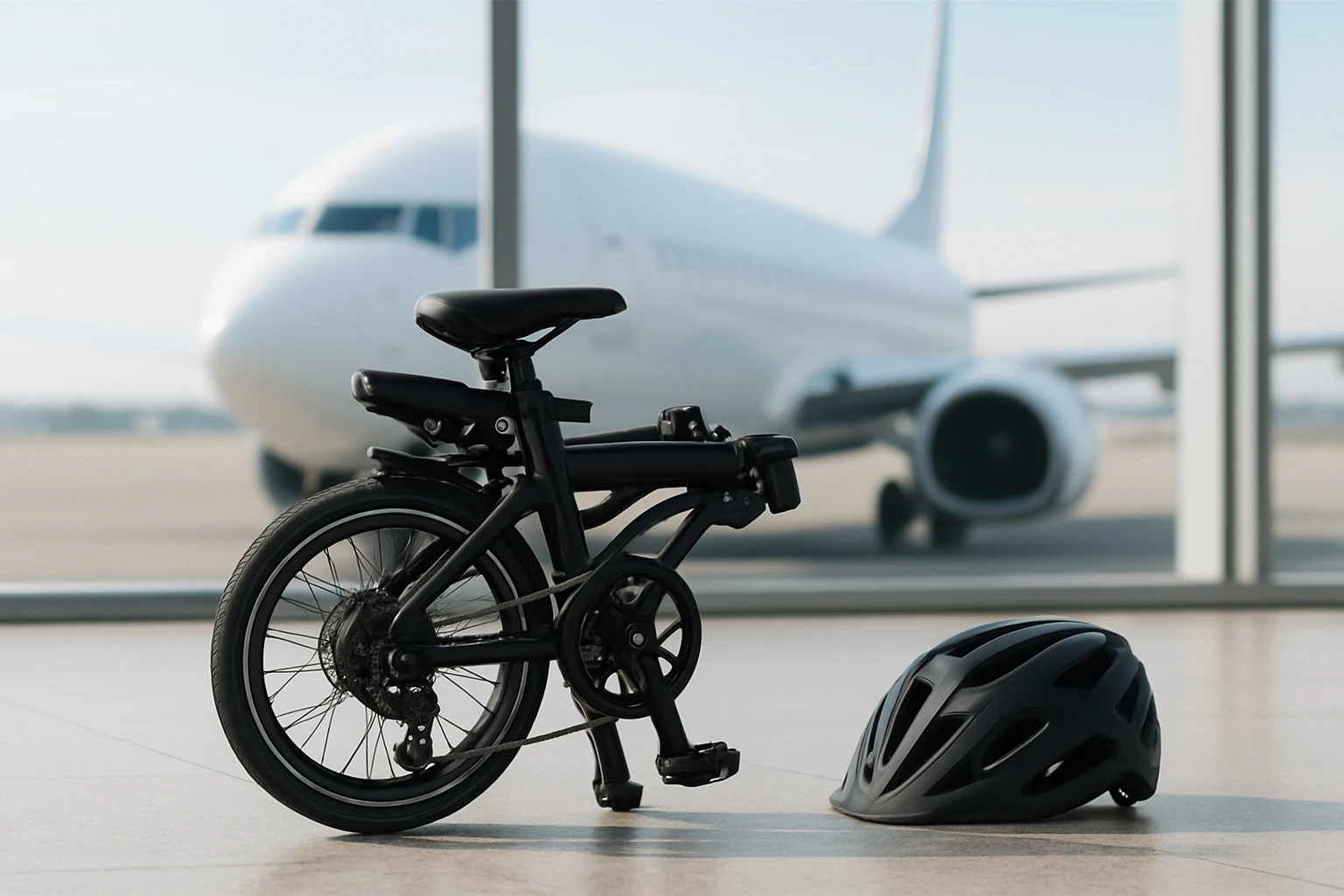
Flying with a Foldable Bike and Helmet in 2026: The Complete Guide to Airline Rules, Fees & Packing Tips
Introduction
Travelers who own a foldable bicycle often wonder how to bring their bike and helmet on an aircraft without incurring excessive costs. This guide explains the current airline policies, hidden fees, and best packing practices for the year 2026. Readers will learn how to evaluate airline options, select appropriate travel accessories, and comply with security requirements while protecting their equipment. The information presented is based on industry standards and real‑world customer experiences.
By the end of this article, the reader will be able to plan a trip that includes a foldable bike and helmet, choose the most cost‑effective airline, and pack the items efficiently. The guide also recommends three products that simplify the process and improve the travel experience.
Background and Context
Airlines classify bicycles as either standard checked baggage or oversized items, depending on weight, dimensions, and whether the bike can be folded. In 2026, most major carriers have updated their policies to accommodate the growing popularity of urban folding bikes. The United States Department of Transportation requires carriers to disclose all fees before ticket purchase, which has increased transparency for travelers.
Helmet regulations are less complex; most airlines treat helmets as personal items or part of the standard baggage allowance. However, some carriers impose size limits that affect helmets with integrated visors. Understanding these nuances prevents surprise charges at the airport.
Security screening for bicycles now often involves a separate X‑ray for the frame and wheels. Passengers should remove the front wheel and any accessories that could be mistaken for prohibited items. Proper documentation, such as a purchase receipt, can expedite the process.
Key Airline Policies
Airlines differ in how they calculate fees for foldable bicycles. The following table summarizes the most common approaches used by carriers in North America, Europe, and Asia.
| Region | Typical Fee Structure | Weight Limit | Size Limit (Folded) |
|---|---|---|---|
| North America | Flat fee ranging from $50 to $120 | Maximum 50 lbs (22.7 kg) | Maximum 62 in (158 cm) linear |
| Europe | Fee based on excess weight or dimensions | Maximum 45 lbs (20.4 kg) | Maximum 55 in (140 cm) linear |
| Asia | Variable fee; some low‑cost carriers treat bike as cargo | Maximum 40 lbs (18.1 kg) | Maximum 50 in (127 cm) linear |
Passengers should verify the exact policy on the airline’s website before booking, as fees may change with seasonal promotions. When the bike exceeds weight or size limits, the carrier may require it to be shipped as cargo, which incurs higher costs and longer handling times.
Choosing the Right Travel Bag
A high‑quality travel bag protects the bike frame, wheels, and accessories while meeting airline size restrictions. The following products are recommended based on durability, weight, and customer satisfaction.
Outroad Folding Mountain Bike
The Outroad Folding Mountain Bike is a 21‑speed, dual‑disc‑brake bike that folds to a compact size suitable for most airline limits. It weighs 39 lbs, which remains under the typical 45‑50 lb threshold. The bike has received a rating of 4 out of 5 stars from 420 reviews, indicating reliable performance for urban commuters.
- High‑carbon steel dual‑suspension frame provides strength without excessive weight.
- 21‑speed drivetrain enables smooth shifting on varied terrain.
- Front and rear disc brakes deliver consistent stopping power.
- Included free pedals and comfortable seat reduce the need for additional purchases.
Because the bike folds into a 26‑inch wheel configuration, it fits within the 62‑inch linear dimension limit used by many North American carriers. The price of $189.02 makes it an affordable option for travelers seeking a balance between performance and portability.
Evoc Pro Road Bike Bag
The Evoc Pro Road Bike Bag is a hybrid travel case designed for road and triathlon bicycles. At 11.7 kg (including the road bike stand), the bag adds minimal extra weight to the overall shipment. Customers rate it 4.5 out of 5 stars, praising its protective hybrid construction.
- 300‑liter capacity accommodates most folded bike frames and accessories.
- Soft‑sided exterior with hard‑sided reinforcement protects against impacts.
- Integrated bike stand simplifies loading and unloading at the airport.
- Dimensions of 92 x 130 x 53 cm meet most airline oversized baggage criteria.
The bag’s lightweight design and sturdy straps make it a practical choice for frequent flyers who need to protect a high‑value road bike during air travel.
Lidarphe Folding Bike Storage Bag
The Lidarphe Folding Bike Storage Bag offers an economical solution for cyclists who require a simple carry case. With a rating of 4.7 out of 5 stars from 23 reviews, users appreciate its durability and ease of use. The bag folds to a compact size of 15.7 x 7.4 x 5.5 inches, which is well below most airline size restrictions.
- Constructed from heavy‑duty 600D oxford fabric and 300 g non‑woven material.
- Two accessory pockets provide space for helmets, pumps, and tools.
- Unfolded dimensions of 55.1 x 31.4 x 11 inches accommodate most 26‑inch bikes after wheel removal.
- Price of $44.65 makes it an attractive option for budget‑conscious travelers.
This bag is especially useful for passengers who prefer to carry the bike as personal luggage rather than checked baggage, provided the airline permits the size.
Comparison and Selection Guide
When selecting a travel solution, the reader should evaluate three primary criteria: weight, protection level, and cost. The table below compares the three featured products against these criteria.
| Product | Weight (including accessories) | Protection Rating | Price (USD) | Best For |
|---|---|---|---|---|
| Outroad Folding Mountain Bike | 39 lb (17.7 kg) | Medium – foldable frame with disc brakes | 189.02 | Riders needing a ready‑to‑ride bike that fits airline limits |
| Evoc Pro Road Bike Bag | 25.8 lb (11.7 kg) bag only | High – hybrid hard/soft construction | Not provided (check Amazon) | Owners of high‑value road bikes seeking maximum protection |
| Lidarphe Folding Bike Storage Bag | 5.5 lb (2.5 kg) bag only | Medium – durable fabric, no hard shell | 44.65 | Budget travelers who prioritize portability over heavy protection |
For a traveler whose primary concern is minimizing airline fees, the Outroad Folding Mountain Bike offers an integrated solution because the bike itself folds to meet size limits. For a cyclist who already owns a premium road bike, the Evoc Pro Bag adds a protective layer that justifies the higher cost. The Lidarphe Bag is ideal for occasional weekend riders who need a lightweight, inexpensive carrier.
Best Practices and Packing Tips
Successful transportation of a foldable bike and helmet requires careful preparation. The following checklist ensures compliance with airline regulations and protects the equipment.
- Verify the airline’s specific bike policy at least 48 hours before departure.
- Remove the front wheel and any accessories that could be flagged during security screening.
- Deflate the tires slightly to avoid pressure‑related damage during handling.
- Wrap the frame in a protective blanket or bubble wrap; many airlines provide free padding at the check‑in desk.
- Place the helmet in a dedicated compartment or a separate soft bag to prevent scratches.
- Label the bag with the rider’s name, address, and a contact phone number in case of loss.
- Arrive at the airport at least two hours early for domestic flights and three hours early for international flights to allow extra time for bike handling.
When using a travel bag, secure all zippers and straps before handing the bag to airline staff. If the bag includes an internal bike stand, ensure the bike is locked in place to prevent movement during transport. For airlines that charge per kilogram, consider removing the pedals and seat post to reduce weight.
Finally, keep a copy of the receipt for the bike and travel bag in a separate location. In the event of damage, the receipt serves as proof of value for insurance claims.
Frequently Asked Questions
1. Can I bring a foldable bike as a carry‑on?
Most airlines do not permit a bike as a standard carry‑on due to size restrictions. However, some low‑cost carriers allow a foldable bike that fits within the personal item dimensions, typically 22 x 14 x 9 inches. It is essential to confirm this policy before travel.
2. How much does it cost to check a bike on a major U.S. airline?
Fees range from $50 to $120 for domestic flights, depending on the carrier and whether the bike exceeds the weight limit. International flights often have higher fees, sometimes calculated per kilogram.
3. Are helmets subject to the same fees as bicycles?
Helmets are generally considered part of the personal item allowance and do not incur additional charges unless they exceed the size limits for personal items.
4. What is the best way to protect disc brakes during flight?
Wrap the brake calipers and rotors in a soft cloth or bubble wrap, and secure them with zip ties. This prevents dust ingress and protects the delicate surfaces from impact.
5. Should I purchase travel insurance for my bike?
Travel insurance that includes coverage for sports equipment is advisable, especially for high‑value bikes. Verify that the policy covers loss, theft, and damage while the bike is in airline custody.
6. Can I ship my bike as cargo instead of checking it?
Yes, many airlines offer a cargo service for oversized or overweight bicycles. This option typically incurs higher fees but provides dedicated handling and may reduce the risk of damage.
7. How do I handle a bike that is slightly over the airline’s size limit?
Consider removing the seat post, pedals, and wheels to reduce the linear dimensions. Some airlines allow partial disassembly without treating the bike as cargo.
Conclusion
Flying with a foldable bike and helmet in 2026 is feasible when the traveler understands airline policies, selects appropriate packing solutions, and follows best‑practice preparation steps. By reviewing the fee structures, using a protective travel bag such as the Outroad Folding Mountain Bike, Evoc Pro Road Bike Bag, or Lidarphe Folding Bike Storage Bag, and adhering to the checklist provided, the rider can minimize costs and protect valuable equipment. The information presented empowers the reader to travel confidently with their bike and helmet, whether for commuting, adventure touring, or recreational riding.
Products Featured in This Guide
Outroad Folding Mountain Bike
Price: $189.02
Rating: 4 out of 5 stars (420 reviews)
Featured because it folds to meet airline size limits while providing a complete riding experience with 21‑speed gearing and disc brakes.
Evoc Pro Road Bike Bag
Price: Not listed (check Amazon for current price)
Rating: 4.5 out of 5 stars
Featured because its hybrid hard‑soft construction protects high‑value road bikes during air travel while remaining lightweight.
Lidarphe Folding Bike Storage Bag
Price: $44.65
Rating: 4.7 out of 5 stars (23 reviews)
Featured because it offers an affordable, compact solution for cyclists who need a lightweight bag that fits within most personal item dimensions.