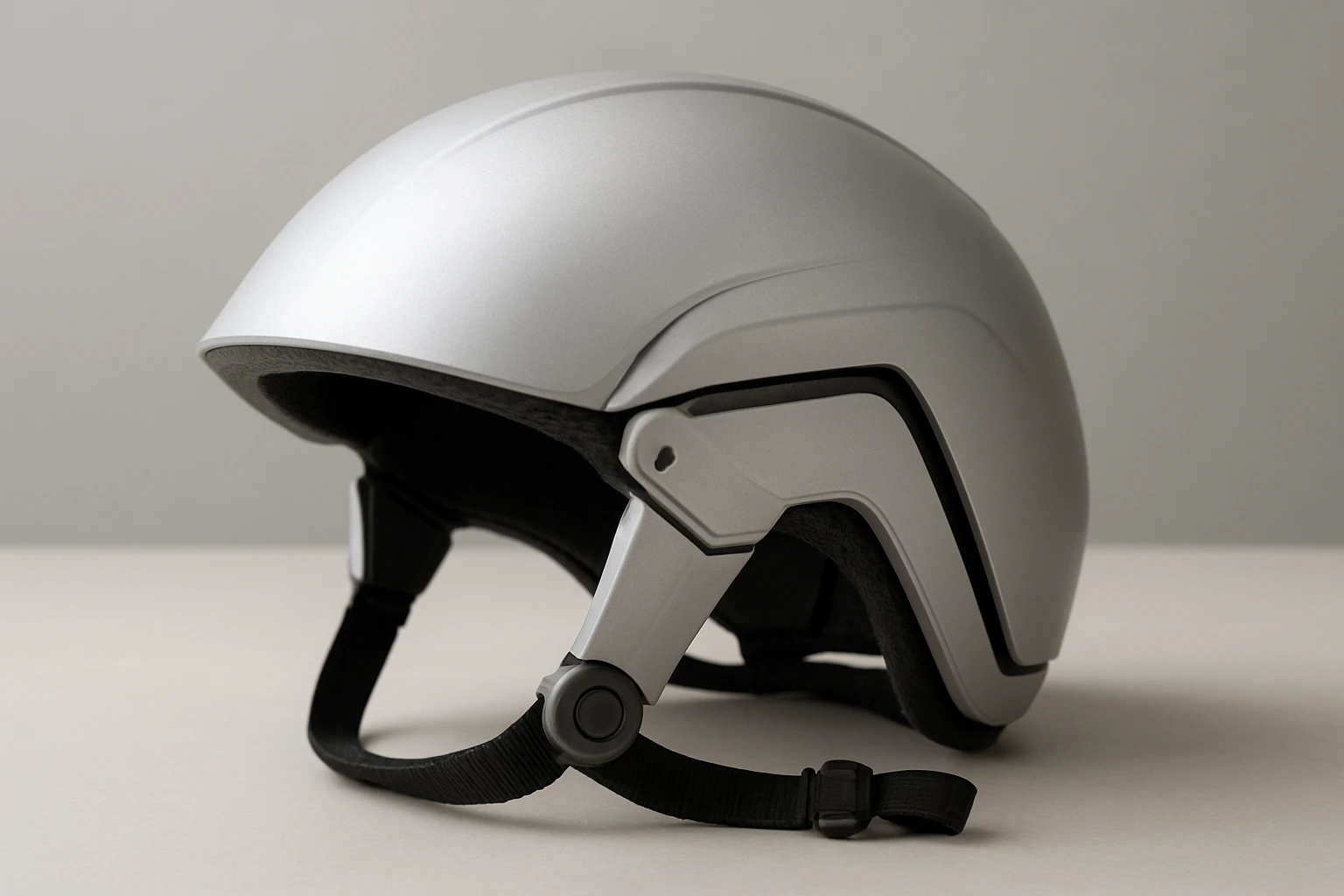
Foldable Helmet Hinge Failure Signs: A Complete Guide to Spotting, Diagnosing, and Fixing Hinge Problems
Introduction
Foldable helmets have revolutionized urban commuting by offering protection that can be stored in a backpack. However, the hinge mechanism that enables folding can become a point of weakness over time. This guide explains how to recognize early signs of hinge failure, how to diagnose the underlying cause, and how to perform reliable repairs or replacements. Readers will also learn which accessories and replacement parts can extend the life of their helmet, with a recommended product that exemplifies robust hinge design.
Background and Context
The hinge on a foldable helmet is a small assembly of pins, springs, and locking latches that allow the shell to collapse while maintaining structural integrity when opened. Materials commonly used include high‑strength aluminum alloy, reinforced polymer, and stainless‑steel pins. Repeated folding, exposure to moisture, and impacts can degrade these components, leading to looseness, wobble, or complete failure.
Understanding the engineering principles behind the hinge helps riders assess whether a problem is cosmetic or safety‑critical. A well‑designed hinge distributes stress evenly across the helmet shell, whereas a poorly engineered hinge concentrates load at a single point, increasing the risk of fracture during an impact.
In addition to the hinge, other elements such as the fit dial system, padding, and integrated lights can affect overall performance. When evaluating a helmet, consider the entire system rather than focusing solely on the hinge.
Identifying Common Hinge Problems
Below are the most frequent symptoms that indicate hinge deterioration. Each symptom is followed by a brief explanation of the likely cause.
- Excessive Play When Closed – The helmet may feel loose or produce a rattling noise when the hinge is fully locked. This usually results from worn pins or stretched springs.
- Difficulty Opening or Closing – Stiffness or resistance often points to corrosion or debris trapped within the hinge cavity.
- Visible Gaps or Misalignment – Gaps between the shell halves suggest that the locking latch is no longer engaging correctly.
- Cracks Near the Hinge Joint – Repeated stress can cause micro‑cracks in the polymer surrounding the hinge, compromising safety.
- Loose Integrated Lights – For helmets with removable LEDs, a loose hinge can cause the light mounts to shift, reducing illumination effectiveness.
When any of these signs appear, cease riding until the issue is resolved. Continuing to use a compromised helmet can expose the rider to head injury in the event of a crash.
Diagnosing the Issue
Perform a systematic inspection to pinpoint the root cause. The following checklist guides users through a thorough examination.
- Visual Inspection – Examine the hinge for rust, discoloration, or broken pins. Use a flashlight to see inside the joint.
- Manual Test – With the helmet closed, gently wiggle each side. Note any movement beyond the normal click.
- Locking Test – Open the helmet fully, then close it slowly while listening for the definitive “snap” that indicates the latch has engaged.
- Light Mount Check – If the helmet includes removable LEDs, detach them and verify that the mounting brackets remain secure.
- Impact History Review – Consider recent falls or collisions that may have stressed the hinge beyond its design limits.
If the inspection reveals worn pins, broken springs, or cracked polymer, the hinge requires repair or replacement. In some cases, the manufacturer offers a replacement hinge kit; otherwise, professional bike‑shop services may be necessary.
Recommended Product for Reliable Hinge Performance
Among foldable helmets on the market, the FEND Super Plus Folding Helmet stands out for its patented Smart‑Fold technology and robust hinge construction. The helmet folds by 50% without sacrificing structural strength, thanks to precision‑machined aluminum pins and a reinforced polymer latch. Key specifications include:
- Ultra‑bright removable LED front and rear lights (30 lumens each) with USB‑C charging.
- CPSC and EN1078 safety certification, ensuring compliance with both U.S. and European standards.
- Fit Dial System for personalized adjustment across three size ranges.
- 30‑day money‑back guarantee and an Accident Replacement Program for added peace of mind.
With a rating of 4.6 out of 5 stars from 81 reviews and a price of $139.00, the helmet offers a compelling blend of safety, convenience, and durability. Its hinge has been praised for smooth operation and long‑term reliability, making it an ideal reference product for this guide.
Comparison and Selection Guide
When choosing a foldable helmet, evaluate the following criteria to ensure the hinge meets your requirements.
| Criterion | What to Look For | Why It Matters |
|---|---|---|
| Hinge Material | Aluminum alloy or stainless‑steel pins with reinforced polymer housing | Resists wear, corrosion, and impact stress |
| Locking Mechanism | Audible click and tactile feedback | Confirms the helmet is securely locked before riding |
| Fold Ratio | At least 45‑50% reduction in size | Improves portability for commuters and travelers |
| Certification | CPSC, EN1078, or equivalent | Guarantees minimum safety performance |
| Warranty & Support | Money‑back guarantee and replacement program | Provides recourse if hinge fails prematurely |
Based on these factors, the FEND Super Plus Folding Helmet ranks highly because it combines premium hinge engineering with integrated safety features and a strong warranty.
Best Practices & Tips for Maintaining Hinge Integrity
Preventive maintenance extends the life of the hinge and preserves overall helmet safety. Follow these professional recommendations.
- Regular Cleaning – Wipe the hinge with a dry cloth after each ride. If moisture accumulates, use a lightly dampened cloth with mild soap, then dry thoroughly.
- Lubrication – Apply a few drops of silicone‑based lubricant to the pins once a month. Avoid petroleum‑based products, which can degrade polymer components.
- Storage Conditions – Store the helmet in a cool, dry place. Extreme temperatures can cause polymer expansion or contraction, affecting hinge tolerance.
- Avoid Over‑Tightening – When adjusting the Fit Dial System, ensure the helmet is not forced beyond its natural range, as excessive pressure can stress the hinge.
- Inspect After Impacts – After any fall, re‑examine the hinge for cracks or looseness before the next ride.
Implementing these habits reduces the likelihood of sudden hinge failure and maintains the helmet’s protective performance.
Frequently Asked Questions
- 1. How often should I replace a foldable helmet?
- Most manufacturers recommend replacement every 3‑5 years, or sooner if the hinge shows visible wear, cracks, or fails safety tests.
- 2. Can I replace the hinge myself?
- Yes, if the manufacturer provides a replacement kit and detailed instructions. However, for helmets lacking official parts, a professional bike‑shop should handle the repair.
- 3. Does the hinge affect the helmet’s impact rating?
- Absolutely. The hinge must lock securely to allow the shell to act as a single unit during impact. A loose hinge compromises energy dispersion.
- 4. Are there waterproof hinges?
- Many modern foldable helmets, including the FEND Super Plus Folding Helmet, feature IPX6‑rated seals that protect the hinge from rain and splashes.
- 5. What is the best way to test hinge security before a ride?
- Close the helmet fully, then apply gentle pressure on each side while listening for the audible click. If the helmet shifts, re‑inspect the hinge.
- 6. Can I use a universal hinge kit on any foldable helmet?
- Universal kits are rare because hinge dimensions vary. Always verify compatibility with the helmet model before purchase.
- 7. Does regular use of removable LED lights affect hinge performance?
- Only if the light mounts are not properly seated. Ensure the LEDs click into place; a loose mount can create additional stress on the hinge.
Conclusion
Foldable helmets offer unmatched convenience for urban riders, yet their hinges demand careful attention. By recognizing early warning signs, conducting systematic diagnostics, and following maintenance best practices, cyclists can preserve both safety and functionality. Selecting a helmet with a proven hinge design—such as the FEND Super Plus Folding Helmet—provides a solid foundation for long‑term reliability. Remember that regular inspections and timely repairs are essential components of a comprehensive safety strategy.
Products Featured in This Guide
FEND Super Plus Folding Helmet
Price: $139.00
Rating: 4.6/5.0 (81 reviews)
Featured because its patented Smart‑Fold hinge delivers a 50% size reduction while maintaining certified safety standards, making it an exemplary model for discussions on hinge durability and performance.