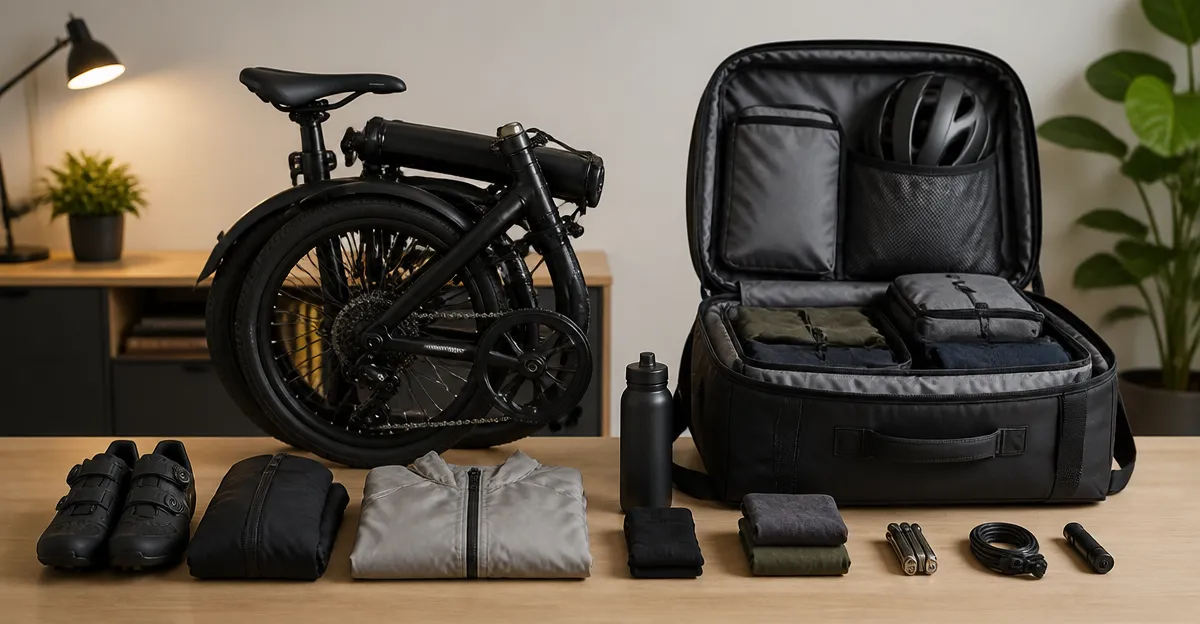
How to Pack a Folding Bike for a 48‑Hour Micro‑Adventure: Essential Lightweight Packing List & Pro Tips
Introduction
One will discover how to prepare a folding bicycle for a brief but demanding excursion that combines travel, outdoor activity, and limited luggage space. The guide explains each preparation phase, from initial inspection to final loading, ensuring that the bike arrives undamaged and ready for immediate use. Readers will also receive recommendations for lightweight, high‑quality tools that streamline the packing process. By following these instructions, one can maximize efficiency while minimizing the risk of equipment failure during the adventure.
What You’ll Need
A concise list of essential items includes a waterproof folding bike bag, basic tool kit, tire levers, a portable pump, and protective padding. The primary product recommended is the Rhinowalk Folding Bike Bag, which offers waterproof protection and a size suitable for 20‑ to 26‑inch frames. Additional supplies such as zip‑lock bags for small components, a multi‑tool, and a compact bike lock complete the lightweight packing list.
Step 1: Prepare the Bike
Before disassembly, one should clean the bicycle to remove dirt, grit, and moisture that could cause corrosion during transport. Use a soft cloth and mild degreaser to wipe the frame, drivetrain, and wheels, then dry thoroughly with a clean towel. Inspect the bike for loose bolts, cracked cables, or worn brake pads, addressing any issues before packing. This preventive maintenance reduces the likelihood of mechanical problems once the journey begins.
Step 2: Disassemble Key Components
The next phase involves removing components that protrude or could be damaged when compressed. Begin by releasing the front wheel from the fork using the quick‑release lever or axle nuts, then set the wheel aside on a padded surface. Next, lower the seat post and remove the saddle if it interferes with the bag’s interior dimensions. Finally, detach pedals and store them in a zip‑lock bag to prevent loss.
Step 3: Protect the Frame and Wheels
To safeguard delicate surfaces, wrap the frame tubes with a thin layer of foam or moving‑blanket material. For the wheels, place a protective sleeve around each rim and secure it with a soft strap to avoid rim dents. The Rhinowalk Folding Bike Bag includes an internal wheel pocket designed specifically for this purpose, ensuring that the wheels remain isolated from the frame during transport.
Step 4: Pack the Bike Bag
Place the folded frame into the main compartment of the bag, aligning it with the internal straps that keep the bike upright. Slide the protected wheels into the dedicated wheel pocket, then arrange the removed saddle, pedals, and tool kit in the side compartments. Close the zippered closure and engage the external buckle to create a sealed, waterproof envelope. The bag’s waterproof coating prevents moisture ingress, a critical feature when traveling by train or car where condensation may occur.
Step 5: Load into Transport
When loading the bag into a vehicle, position it upright against a solid surface to maintain its shape and prevent shifting during movement. If space permits, secure the bag with a cargo strap to the vehicle’s anchor points, reducing the chance of movement on uneven roads. For airline or train travel, verify the bag’s dimensions against the carrier’s luggage policy to avoid unexpected fees.
Step 6: Final Checks
Before departure, perform a quick visual inspection to confirm that all straps are tightened and the bag is fully sealed. Verify that the bike’s quick‑release levers are fully engaged and that the saddle is correctly re‑installed if it was removed. Finally, ensure that any personal items such as maps, snacks, and a compact first‑aid kit are packed in separate compartments for easy access.
Tips & Pro Tips
- Use a lightweight, reusable zip‑lock bag for small screws and bolts; this prevents loss and keeps components organized.
- Carry a portable mini‑pump with a pressure gauge; maintaining proper tire pressure after unpacking improves ride safety.
- Label each component with a small piece of masking tape and a marker to speed up reassembly at the destination.
- Consider a compact multi‑tool that includes a chain breaker; this prepares one for emergency repairs without bulk.
Troubleshooting
If the bag does not close securely, check that no components are protruding beyond the interior dimensions; rearrange items as necessary. Should the bike develop a squeak after unpacking, re‑tighten the headset and brake cables, as transport can cause slight loosening. In the event of moisture inside the bag, open it in a well‑ventilated area and use a microfiber cloth to dry any damp surfaces before riding.
Conclusion
One now possesses a comprehensive method for packing a folding bike for a 48‑hour micro‑adventure, complete with essential gear and actionable steps. By following the outlined procedure, the bike remains protected, lightweight, and ready for immediate use upon arrival. The recommended Rhinowalk Folding Bike Bag serves as a reliable tool that simplifies the packing process while offering waterproof security.
Products Mentioned in This Guide
Rhinowalk Folding Bike Bag
Price: Not listed; Rating: Not listed
Features: Waterproof material, compatible with 20‑ to 26‑inch folding bikes, includes dedicated wheel pocket, durable carrying handles, and reinforced stitching.
Frequently Asked Questions
What is the best way to protect a folding bike during a 48‑hour micro‑adventure?
Use a waterproof folding bike bag—such as the Rhinowalk Folding Bike Bag—to shield the frame and components from moisture and impacts.
Which essential tools should I pack with my folding bike?
Pack a basic tool kit, multi‑tool, tire levers, and a compact portable pump for quick repairs and adjustments on the trail.
How can I prevent small parts from getting lost while packing?
Store bolts, nuts, and cables in zip‑lock bags and label them to keep everything organized and easy to find.
Do I need extra padding inside the bike bag?
Yes, add protective padding or foam inserts around the handlebars and wheels to cushion the bike and avoid scratches.
What pre‑trip checks should I perform before folding and packing the bike?
Inspect the brakes, tire pressure, and drivetrain, tighten any loose bolts, and ensure the bike folds cleanly before placing it in the bag.