Introduction
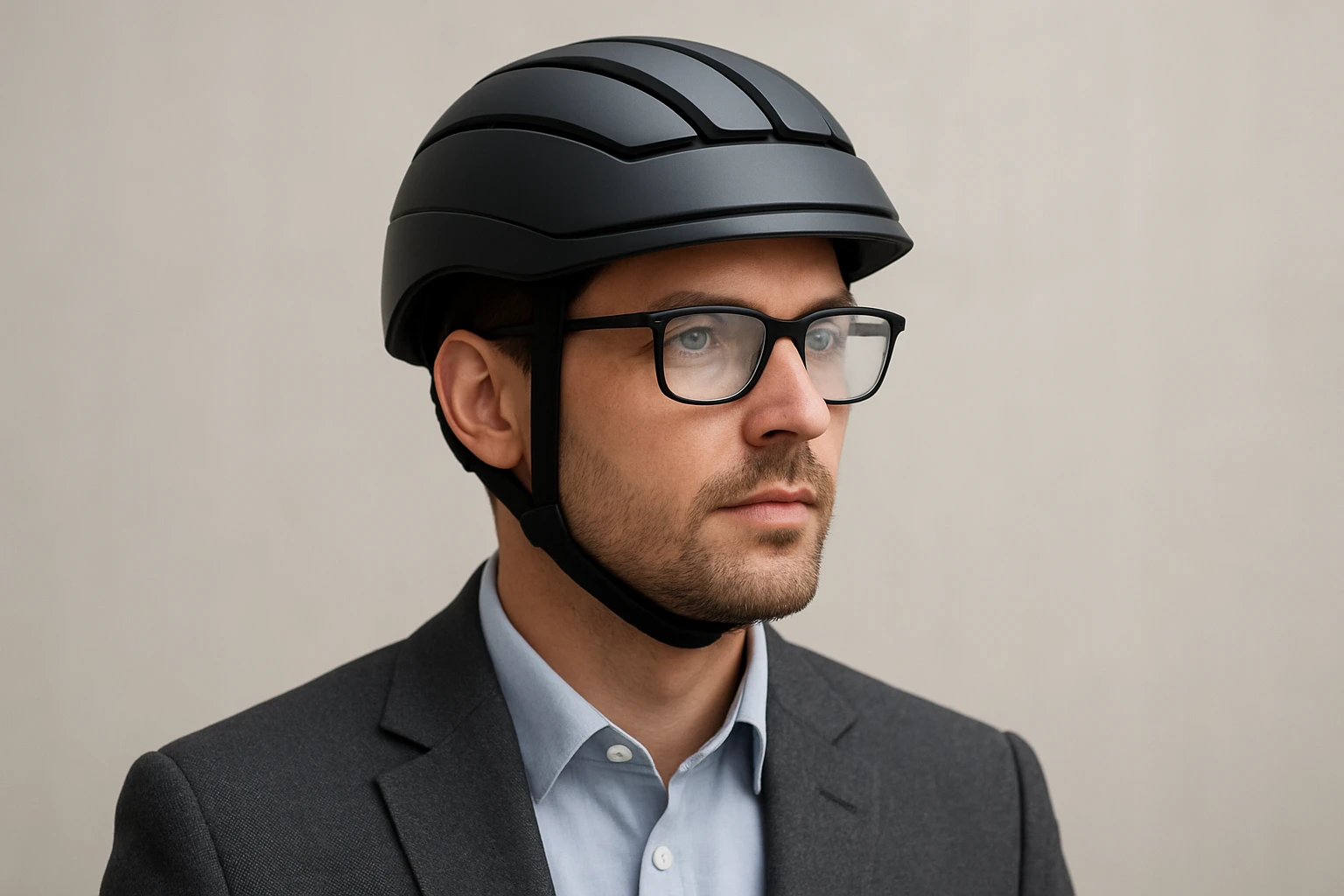
Fogged lenses can undermine safety and comfort for cyclists, e‑bike riders, and scooter commuters who wear glasses. This guide explains why fog occurs, how foldable helmets influence airflow, and which anti‑fog solutions work best. Readers will learn the science behind condensation, evaluate three proven products, and receive actionable tips to stay clear‑sighted on every ride. By the end, one will be equipped to choose the right helmet and anti‑fog treatment for any commuting scenario.
Background/Context
When warm, moist air from the body meets a cooler surface, water vapor condenses into tiny droplets that appear as fog. Glasses fog when the temperature of the lenses drops below the dew point of exhaled breath. Helmets that trap heat or restrict ventilation can exacerbate this effect, especially during vigorous activity. Understanding the interplay between helmet design, breath direction, and ambient conditions is essential for effective mitigation.
Two primary factors drive fog formation: temperature differential and humidity level. In cold mornings, the external air may be well below body temperature, creating a steep gradient. In humid environments, the air holds more moisture, increasing the likelihood of condensation. Riders who wear prescription glasses, safety goggles, or VR headsets are especially vulnerable because the lenses form a sealed barrier around the eyes.
Understanding Helmet Design and Fog Prevention
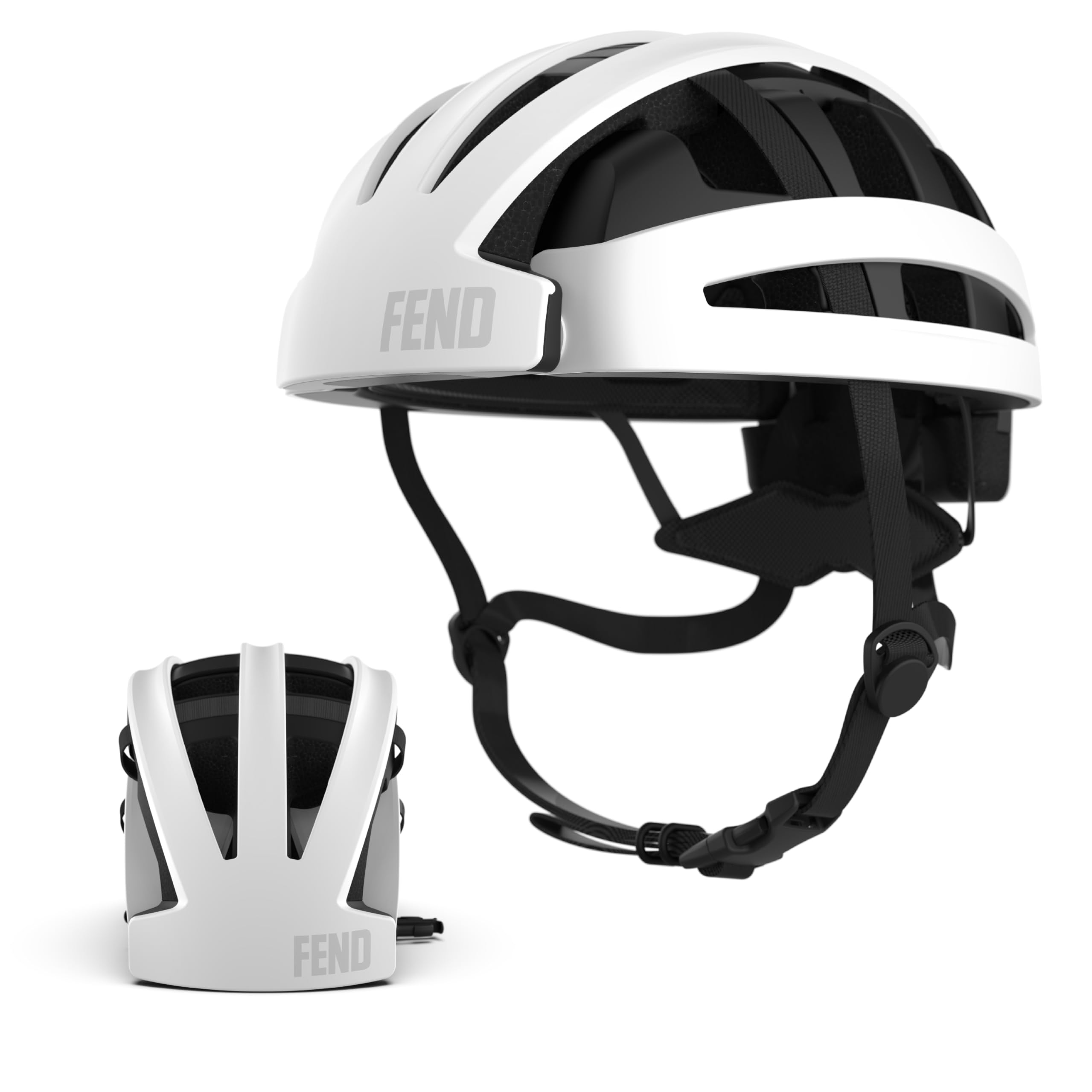
Modern helmets incorporate ventilation channels, moisture‑wicking liners, and aerodynamic shapes to manage airflow. Foldable helmets, such as the FEND One Foldable Bike Helmet, use patented Smart‑Fold technology to collapse by 50%, but they also retain robust ventilation when unfolded. The helmet’s ABS shell, ultralight polycarbonate, and high‑impact EPS core provide protection without sacrificing breathability.
Key design elements that reduce fog include: large front vents that direct exhaled air away from the face, rear vents that draw cooler air through the interior, and internal moisture‑absorbing liners. The FEND One’s matte finish reduces glare, which can otherwise cause the eyes to work harder and produce more heat. Its Fit Dial System ensures a snug yet comfortable fit, preventing gaps where warm air can escape and condense on lenses.
Choosing the Right Foldable Helmet
The market offers several foldable helmets, yet not all prioritize ventilation equally. When evaluating a helmet, consider the following criteria: certification (CPSC/EN1078), ventilation count, weight, and ease of folding. The FEND One Foldable Bike Helmet scores 4.5 out of 5 stars from 325 reviews, indicating strong user satisfaction. Its price of $119.00 reflects premium materials and award‑winning design, including Red Dot and Edison Awards.
Other factors such as size range and warranty are also important. The FEND One offers two size options—Small (21½–22 in) and Medium/Large (22–24 in)—covering most adult head measurements. The 30‑day money‑back guarantee and Accident Replacement Program provide confidence for first‑time buyers. Selecting a helmet that balances compactness with airflow will directly impact fog reduction.
Anti‑Fog Lens Treatments
Even with optimal helmet ventilation, lenses may still fog under extreme conditions. Anti‑fog products create a thin, invisible barrier that reduces surface tension, preventing water droplets from forming. Two highly rated solutions are the Gamer Advantage FogAway Spray and the EK Cat Crap Anti‑Fog Lens Balm.
The FogAway Spray, priced at $14.99, holds a 4.1 rating from over 26,000 reviews. Its silicone‑free formulation applies clear, haze‑free protection and is safe for all lens coatings, including anti‑reflective and hydrophobic layers. The spray lasts up to 24 hours per application, making it suitable for long commutes.
The Cat Crap Balm, available for $11.35 with a 3.9 rating from 4,028 reviews, offers a different application method. Users rub a small amount of balm onto the lens, then wipe it clean, leaving a durable anti‑fog film. Its half‑ounce size provides multiple uses, and the balm is safe on glasses, goggles, binoculars, and helmet visors.
Comparison/Selection Guide
| Feature | FEND One Helmet | FogAway Spray | Cat Crap Balm |
|---|---|---|---|
| Primary Function | Protective headgear with ventilation | Liquid anti‑fog coating | Solid anti‑fog balm |
| Price (USD) | $119.00 | $14.99 | $11.35 |
| Average Rating | 4.5/5 (325 reviews) | 4.1/5 (26,281 reviews) | 3.9/5 (4,028 reviews) |
| Application Method | Wear on head; no direct lens contact | Spray on both sides, rub, dry | Rub balm on lens, wipe off |
| Duration of Effect | Continuous while wearing | Up to 24 hours | Multiple uses per balm |
| Safety Certifications | CPSC & EN1078 | Safe for all lens types | Safe for all lenses |
| Warranty/Guarantee | 30‑day money‑back + accident replacement | None specified | None specified |
Riders seeking a holistic solution should prioritize a well‑ventilated helmet first, then complement it with an anti‑fog treatment. For daily commuters who need quick reapplication, FogAway Spray offers convenience. For outdoor enthusiasts who prefer a longer‑lasting film, Cat Crap Balm is advantageous.
Best Practices & Tips
- Adjust helmet vents to direct airflow away from the face; open rear vents fully on cold days.
- Use the Fit Dial System to eliminate gaps that allow warm breath to escape toward lenses.
- Apply anti‑fog treatment to clean, dry lenses; avoid using household cleaners that can damage coatings.
- Consider a thin microfiber cloth to gently buff the treated surface for uniform coverage.
- Store the helmet in a cool, dry place when not in use to prevent moisture buildup inside the shell.
- For high‑intensity rides, combine both a ventilated helmet and a spray‑on anti‑fog solution for maximum clarity.
FAQ
- Why does my helmet cause glasses to fog even with vents open? Poor fit can create channels for warm air to escape directly toward the lenses. Ensure the helmet sits level and the Fit Dial System is correctly calibrated.
- Can I use FogAway Spray on helmet visors? Yes, the formulation is safe for all lens types, including polycarbonate visors commonly found on helmets.
- How often should I reapply anti‑fog treatment? Reapplication is recommended after heavy sweating, rain exposure, or every 24 hours for spray products. Balm treatments may last longer but should be refreshed when fog reappears.
- Is the FEND One helmet suitable for children? The helmet is designed for adult head sizes (Small 54–56 cm, Medium/Large 56–61 cm). For children, select a model specifically sized for younger riders.
- Will anti‑fog products damage anti‑reflective coatings? Both FogAway Spray and Cat Crap Balm are formulated to be safe on AR coatings; however, always test on a small area first.
- Can I combine a helmet liner with anti‑fog treatments? Yes, a moisture‑wicking liner can further reduce interior humidity, enhancing the effectiveness of anti‑fog sprays.
- What warranty does the FEND One offer? The helmet includes a 30‑day money‑back guarantee and a free replacement program for damage incurred in an accident.
Conclusion
Preventing glasses fog while wearing a foldable helmet requires a blend of proper equipment, strategic ventilation, and reliable anti‑fog products. By selecting a certified, well‑ventilated helmet such as the FEND One Foldable Bike Helmet and pairing it with either FogAway Spray or Cat Crap Balm, riders can maintain clear vision in diverse conditions. Implementing the best‑practice tips outlined above will further reduce fog risk, ensuring safety and comfort on every journey.
Products Featured in This Guide
FEND One Foldable Bike Helmet
Price: $119.00
Rating: 4.5/5 (325 reviews)
Featured for its award‑winning Smart‑Fold design, superior ventilation, and certified safety standards, making it ideal for fog‑free riding.
Gamer Advantage FogAway Spray
Price: $14.99
Rating: 4.1/5 (26,281 reviews)
Featured for its quick‑spray, silicone‑free formula that protects all lens types for up to 24 hours, perfect for daily commuters.
EK Cat Crap Anti-Fog Lens Balm
Price: $11.35
Rating: 3.9/5 (4,028 reviews)
Featured for its easy‑rub application and long‑lasting anti‑fog film, suitable for glasses, goggles, and helmet visors.
Frequently Asked Questions
Why do glasses fog up when wearing a foldable helmet?
Warm, moist breath contacts the cooler lenses inside the helmet, causing condensation when the lens temperature falls below the dew point.
How does a foldable helmet’s ventilation affect fogging?
Better ventilation allows warm air to escape, reducing temperature differences and humidity around the lenses, which minimizes fog.
What anti‑fog treatments work best for cyclists wearing glasses?
Anti‑fog sprays, wipes, and reusable coatings that create a hydrophilic film are most effective when applied to clean lenses before each ride.
Can adjusting helmet strap placement help prevent fog?
Yes, positioning the strap lower on the forehead directs exhaled breath away from the lenses and improves airflow.
Are there specific foldable helmets designed to reduce fogging?
Helmets with built-in vents, removable foam inserts, and breathable padding are engineered to promote airflow and lower fog risk.

