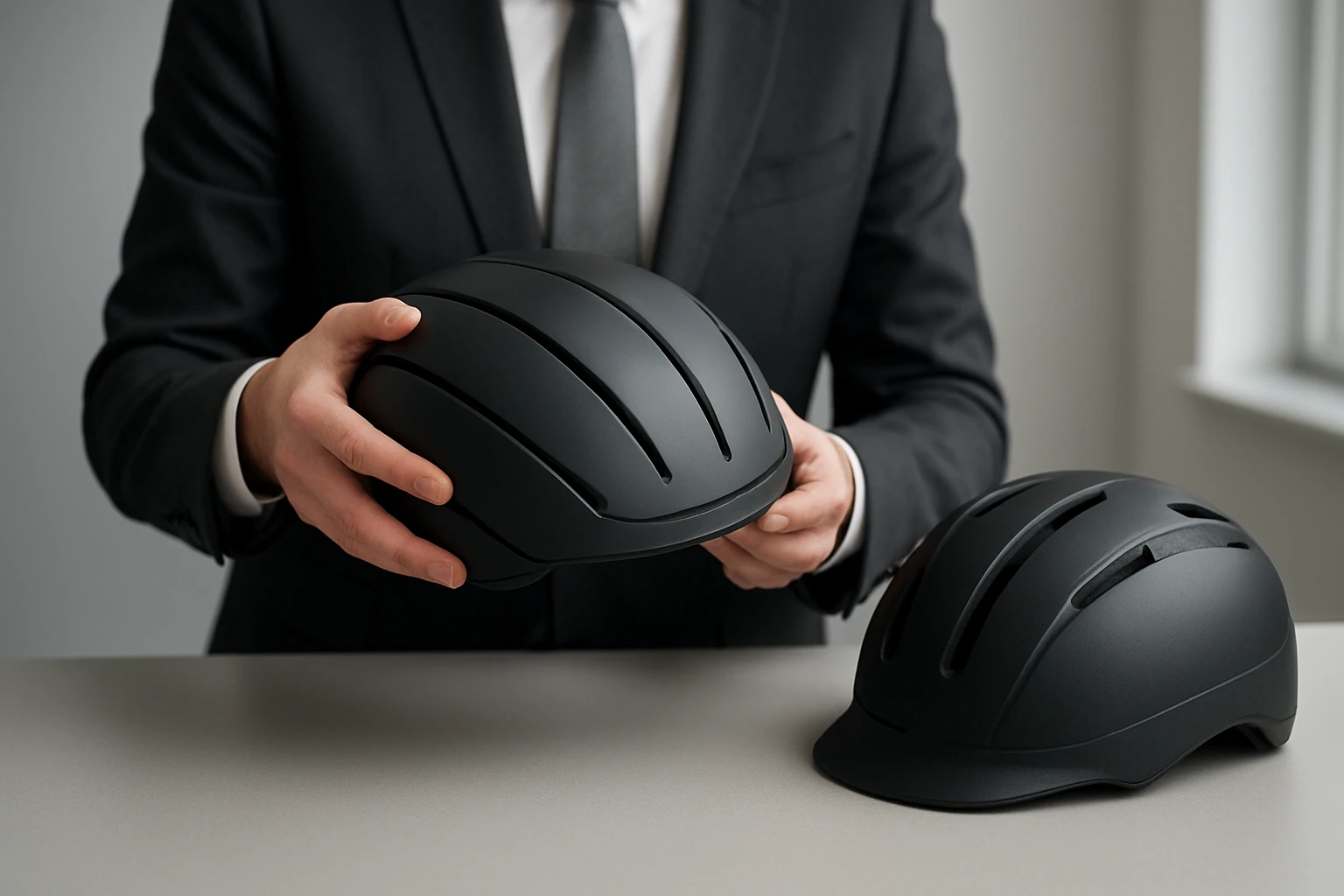

How to Spot Counterfeit Foldable Helmets: The Ultimate Guide to Red Flags, Verification Tips & Safety Checks
Introduction
Foldable helmets have become essential for commuters, cyclists, and outdoor workers because they combine protection with convenience. This guide explains how to distinguish genuine helmets from counterfeit copies, what safety standards to look for, and which reliable products can serve as benchmarks. Readers will learn to recognize visual and technical red flags, use verification tools, and apply best‑practice safety checks before making a purchase. By the end of the article, one will be equipped to protect both personal safety and financial investment.
Background and Context
Helmets are regulated by standards such as ANSI, CPSC, ASTM, and CE, each defining impact‑absorption performance, coverage area, and labeling requirements. Counterfeit helmets often claim compliance without undergoing the rigorous testing that authentic models complete, putting users at risk of severe injury. The rise of online marketplaces has amplified the problem, as sellers can list low‑cost replicas that mimic the appearance of reputable brands. Understanding the history of helmet certification and the economics of counterfeit production provides a solid foundation for effective detection.
Understanding Helmet Safety Standards
When evaluating a foldable helmet, verify that it meets the appropriate standard for its intended use. For road cyclists, the CPSC (U.S.) and EN 1078 (Europe) are common benchmarks, while forestry workers rely on ANSI Z89.1 for head protection. A helmet that displays a certification mark should also include a label with the testing organization’s logo, model number, and a date of manufacture. Failure to provide this documentation is a primary indicator that the product may be counterfeit.
Key Red Flags of Counterfeit Foldable Helmets
- Inconsistent branding: misspelled logos, low‑resolution graphics, or missing trademark symbols.
- Substandard materials: thin ABS shells, flimsy straps, or poorly finished hinges that feel loose.
- Missing or vague certification labels: generic statements such as “meets safety standards” without specifying the governing body.
- Unrealistically low price compared to market averages; a genuine high‑quality helmet rarely drops below $30‑$35 for basic models.
- Seller reputation: new or low‑rating sellers with limited feedback often lack the accountability required for safety‑critical items.
These visual and contextual clues should trigger a deeper investigation before any transaction is completed.
Verification Techniques and Tools
Buyers can employ several verification methods to confirm authenticity. First, scan the QR code or serial number printed on the interior of the helmet; manufacturers typically host a lookup service on their website. Second, compare the weight of the helmet with the specifications listed by the brand; counterfeit units are frequently lighter due to cheaper foam cores. Third, request high‑resolution photographs of the certification label and interior padding, and compare them with images on the official brand page. Finally, use third‑party verification services such as the Consumer Product Safety Commission (CPSC) database to cross‑reference model numbers.
When to Trust a Seller
Even reputable platforms can host counterfeit listings, so evaluating the seller is crucial. Look for sellers with a minimum of 100 positive reviews, a clear return policy, and a history of selling the same brand over several months. Verified purchase badges and the presence of a detailed product description that matches the manufacturer’s language are additional confidence signals. If a seller offers a “limited‑time discount” that seems too generous, treat it as a warning sign and seek alternative sources.
Product Recommendations for Authentic Foldable Helmets
Below are two highly rated helmets that exemplify genuine construction, certification, and user satisfaction. They serve as reference points when comparing other listings.
The first example is the UM ULTRAMAXX Chainsaw Helmet. Although marketed for forestry work rather than cycling, its 6‑in‑1 design includes an ANSI Z89.1‑2014 Type I Class C hard hat, a mesh face shield, and 31 dB SNR earmuffs. The helmet’s ABS shell, ventilation holes, and cooled liner demonstrate the level of engineering expected from certified safety gear. With a price of $33.59, a rating of 4.5 stars from 150 reviews, and inclusion of a portable drawstring bag, it provides a comprehensive benchmark for durability and compliance.
The second recommendation is the Odoland Bike Helmet. Priced at $28.04 and boasting a 4.6‑star rating from 833 reviews, this helmet offers a magnetic sun visor, eyewear‑friendly design, and a 360° airflow system. It carries ASTM, CPSC, and CE certifications, confirming that it meets both U.S. and European safety standards. The adjustable dial and removable visor illustrate thoughtful features that counterfeit models typically lack.
Comparison and Selection Guide
| Feature | UM ULTRAMAXX Chainsaw Helmet | Odoland Bike Helmet |
|---|---|---|
| Primary Use | Forestry, chainsaw work, heavy‑duty tasks | Cycling, commuting, urban riding |
| Safety Standards | ANSI Z89.1‑2014 Type I Class C, ANSI Z87.1‑2015 (visor) | ASTM, CPSC, CE |
| Ventilation | Integrated ventilation holes plus cooled liner | 360° airflow with chimney‑style channels |
| Additional Protection | Earmuffs (31 dB SNR), mesh face shield, anti‑fog eyewear | Magnetic sun visor, glasses‑friendly eye ports |
| Price | $33.59 | $28.04 |
| Average Rating | 4.5/5 (150 reviews) | 4.6/5 (833 reviews) |
When selecting a foldable helmet, match the intended activity with the helmet’s certification and feature set. For cyclists who require quick on‑and‑off capability, the Odoland model’s magnetic visor and ventilation excel. For workers needing comprehensive head‑to‑ear protection, the UM ULTRAMAXX kit demonstrates how multiple safety elements can be integrated without compromising comfort.
Best Practices & Tips
- Always purchase from authorized retailers or directly from the brand’s official storefront.
- Inspect the helmet upon arrival: check for crisp printing on labels, smooth hinge operation, and the presence of a certification sticker.
- Retain the original packaging and documentation; these items are often required for warranty claims and authenticity verification.
- Register the helmet on the manufacturer’s website using the serial number; registration not only confirms legitimacy but also provides access to safety recalls.
- Replace helmets after any impact, even if no visible damage is present; the internal foam may be compromised.
Following these practices reduces the likelihood of purchasing a counterfeit product and ensures that the helmet will perform as intended during an accident.
Frequently Asked Questions
1. How can I tell if a helmet’s certification label is fake?
Authentic labels include a holographic seal, a unique model number, and the logo of the certifying body. Counterfeit labels often lack these security features and may use low‑resolution graphics.
2. Are foldable helmets less safe than rigid helmets?
Foldable helmets can meet the same safety standards as rigid models if they are certified by recognized agencies. The key is to verify the certification and ensure the hinge mechanism is robust and tested.
3. What is a reasonable price range for a quality foldable helmet?
For reputable brands, prices typically range from $25 to $45 for basic models and $60 to $120 for premium versions with additional features such as integrated visors or earmuffs.
4. Can I use a forestry helmet for cycling?
While a forestry helmet like the UM ULTRAMAXX provides excellent impact protection, it may be heavier and less aerodynamic than a dedicated cycling helmet. It is acceptable for occasional use but not optimal for performance riding.
5. How often should I replace my helmet?
Helmets should be replaced every five years, or sooner if they have sustained a hard impact, show visible cracks, or the foam interior feels compressed.
6. Does a magnetic visor affect helmet safety?
A magnetic visor does not compromise the helmet’s structural integrity if it is designed and tested as part of the certified system, as seen in the Odoland Bike Helmet.
7. What should I do if I suspect a helmet is counterfeit after purchase?
Contact the seller for a return, report the listing to the marketplace, and forward the serial number to the manufacturer for verification. Many brands offer refunds for counterfeit goods.
Conclusion
Spotting counterfeit foldable helmets requires vigilance, knowledge of safety standards, and the use of verification tools. By recognizing red flags, checking certifications, and purchasing from reputable sources, consumers protect both their heads and their wallets. The recommended UM ULTRAMAXX Chainsaw Helmet and Odoland Bike Helmet illustrate the level of quality and documentation that authentic products provide. Armed with the best‑practice checklist and the FAQ insights, one can confidently navigate the marketplace and select a helmet that truly safeguards against injury.
Products Featured in This Guide

UM ULTRAMAXX Chainsaw Helmet
Price: $33.59 | Rating: 4.5/5 (150 reviews)
Featured because it demonstrates a fully certified, multi‑protective system that sets a benchmark for genuine safety equipment.

Odoland Bike Helmet
Price: $28.04 | Rating: 4.6/5 (833 reviews)
Featured for its clear certification (ASTM, CPSC, CE), magnetic visor, and superior ventilation, making it an ideal reference for authentic foldable cycling helmets.
