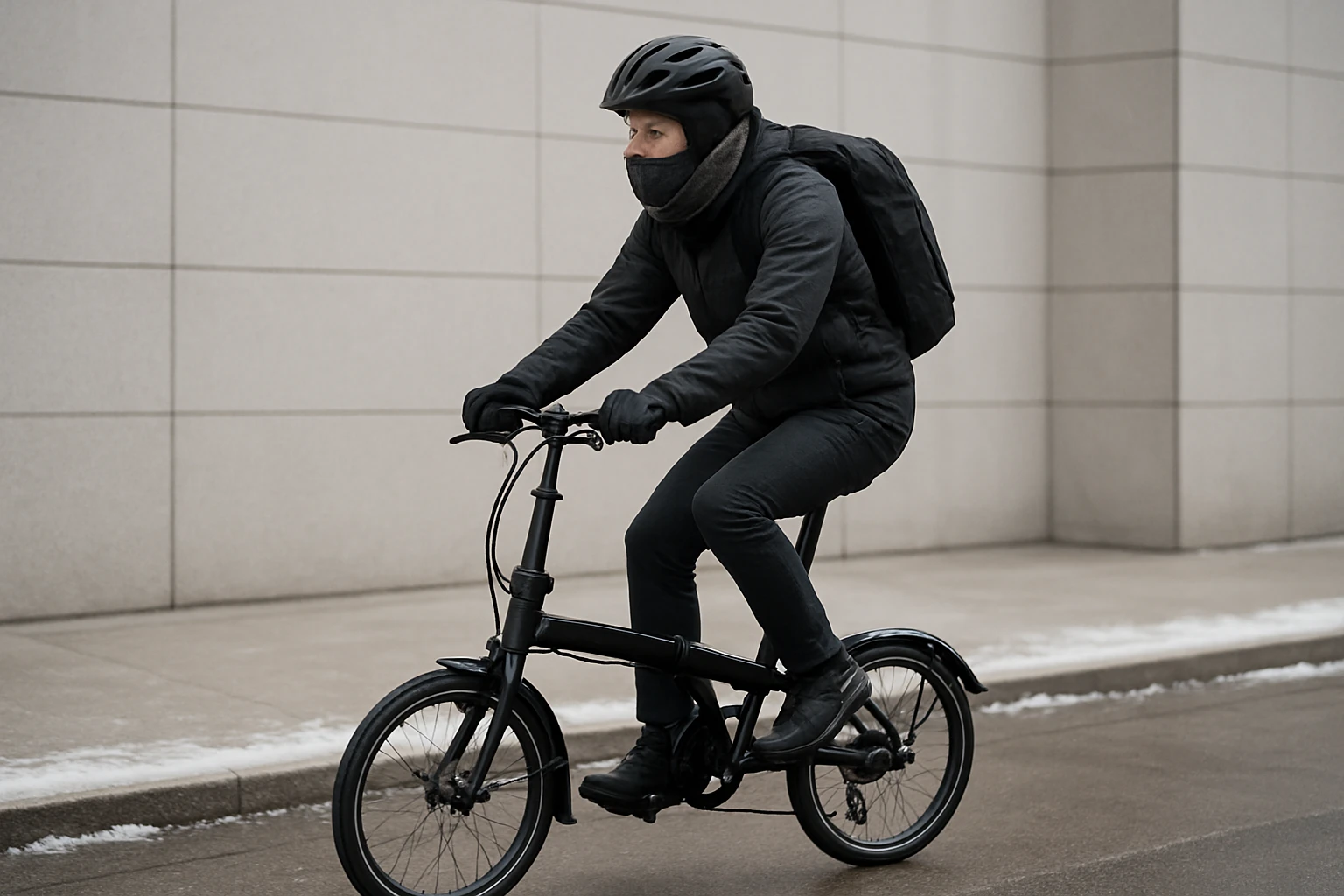
How to Winter Commute with a Folding Bike: Helmet Safety, Gear & Practical Tips
Introduction
Winter commuting presents unique challenges that require careful preparation and reliable equipment. This guide explains how one can safely ride a folding bike during cold months while maintaining comfort and efficiency. Readers will learn which gear provides the best protection, how to adapt a bike for icy conditions, and which maintenance habits prevent breakdowns. By following the steps, one can enjoy a dependable and enjoyable winter commute.
What You'll Need
- Dahon VYBE D7 – lightweight aluminum folding bike, 7‑speed, $499.99, 4.1/5 rating.
- Viribus Folding Bike – budget‑friendly 7‑speed, $229.99, 4.3/5 rating.
- ZiZZO Campo – versatile 7‑speed, $299.99, 4.4/5 rating.
- Thousand Heritage 2.0 Helmet – low‑profile commuter helmet, $99.00, 4.7/5 rating.
- ILM LED Helmet – integrated front and rear lights, $74.99, 4.6/5 rating.
- Water‑proof cycling gloves, insulated jacket, reflective accessories, tire sealant, and a portable bike pump.
Step 1: Prepare the Folding Bike for Cold Weather
The first step is to ensure that the folding bike can withstand low temperatures and wet conditions. One should inspect the frame for any cracks, tighten all bolts, and apply a thin layer of rust‑preventing oil to the chain. For riders who prefer a premium build, the Dahon VYBE D7 offers a high‑strength aluminum frame that resists corrosion while remaining lightweight at 25.7 lb, making it easy to carry into heated indoor spaces. The bike’s 7‑speed Shimano drivetrain provides reliable gear changes even when lubricants thicken in the cold.
If budget constraints are a concern, the Viribus Folding Bike includes a sturdy steel rear axle that can tolerate heavier loads up to 265 lb, and its quick‑fold mechanism allows the rider to store the bike inside a car trunk, protecting it from snow and road salt. Regardless of the model, installing winter‑grade tire sealant and checking tire pressure weekly will prevent flats caused by temperature‑induced pressure loss.
Additionally, consider swapping the stock tires for puncture‑resistant, wider tires with a tread pattern designed for snow. Wider tires increase surface contact, improving traction on icy surfaces. After installing new tires, verify that the brake pads align correctly with the rim; the V‑brake system on these bikes offers strong stopping power when the rim is clean and dry.
Finally, adjust the folding hinge lock to ensure it engages fully after each fold. A loose hinge can create wobble during rides, especially when the bike is subjected to uneven winter roads.
Step 2: Select a Helmet That Balances Safety and Visibility
Helmet safety is paramount during winter because reduced daylight and slippery surfaces increase the risk of head injuries. The Thousand Heritage 2.0 Helmet combines a lightweight polycarbonate shell with a patented PopLock system that allows the rider to lock the helmet to the bike using a U‑lock, reducing the chance of theft on public transit. Priced at $99.00 and earning a 4.7‑star rating, it offers a dial‑fit adjustment for a secure fit across a range of head sizes.
For riders who require additional visibility, the ILM LED Helmet integrates rechargeable front and rear lights powered by a USB‑chargeable battery. The lights provide three modes—steady, flashing, and blinking—allowing the rider to adapt to varying traffic conditions. At $74.99 with a 4.6‑star rating, this helmet also includes ventilation channels that prevent overheating, a common issue when wearing insulated clothing.
When choosing a helmet, one should prioritize a snug fit without excessive pressure, as a well‑fitted helmet distributes impact forces evenly. The dial‑fit system on the Thousand helmet and the adjustable strap on the ILM helmet both enable fine‑tuning without the need for additional tools. Moreover, the magnetic chin strap on the Thousand helmet offers quick release while maintaining security during sudden stops.
Regardless of the model, it is advisable to replace the inner padding after several months of winter use, as moisture can degrade foam performance. Both helmets feature removable, washable liners that simplify maintenance.
Step 3: Dress for the Elements and Optimize Comfort
Layering is essential for maintaining body temperature without sacrificing mobility. A moisture‑wicking base layer draws sweat away from the skin, a mid‑layer provides insulation, and a wind‑proof outer jacket shields against gusts and precipitation. Gloves with silicone grip pads prevent hand slippage on cold handlebars, while insulated shoe covers keep the feet warm without compromising pedal control.
Reflective accessories such as ankle bands, shoe clips, and a reflective vest increase visibility to motorists during dusk and dawn. When combined with the bright LED lights of the ILM helmet, these accessories create a multi‑directional safety envelope.
One should also consider a detachable face mask that can be stored in a small pocket when not needed. This mask protects the mouth and nose from cold air, reducing the risk of bronchial irritation during prolonged rides.
Finally, keep a small insulated water bottle in a backpack; staying hydrated is crucial even in cold weather, as dehydration can impair concentration and reaction time.
Step 4: Plan the Route and Test the Bike Before the Commute
Before embarking on a daily winter commute, one should map a route that avoids steep hills, unplowed sidewalks, and high‑traffic intersections. Using a navigation app that offers real‑time traffic and weather updates enables the rider to adjust the path on the fly.
Conduct a short test ride during the early morning or late afternoon to assess traction, braking response, and visibility. During this test, verify that the bike folds and unfolds smoothly, especially if the rider intends to store the bike inside a building or on a public transit vehicle.
If the chosen bike is the ZiZZO Campo, the adjustable aluminum stem allows the rider to raise the handlebars for a more upright posture, which can improve control on slippery surfaces. The Campo’s 7‑speed grip‑shifter enables rapid gear changes without removing hands from the handlebars, a valuable feature when navigating stop‑and‑go traffic in winter.
After the test ride, make any necessary adjustments to brake tension, tire pressure, and saddle height. Recording the settings in a small notebook ensures consistency on subsequent rides.
Step 5: Perform Post‑Ride Maintenance
Winter conditions accelerate wear on drivetrain components, so cleaning the chain after each ride is essential. Use a biodegradable degreaser, wipe the chain with a rag, and apply a thin coat of low‑temperature chain lubricant to prevent rust.
Inspect the brake pads for wear, especially if the rider frequently rides on wet roads where pads can degrade faster. Replace pads that have reached the minimum thickness recommended by the manufacturer.
Store the bike in a dry environment, preferably indoors, to avoid condensation that can cause rust. If indoor storage is not possible, cover the bike with a waterproof tarp and use a dehumidifier in the storage area.
Finally, charge the battery of the ILM LED Helmet nightly to ensure the lights are ready for the next commute. Regular battery maintenance extends the lifespan of the lighting system, guaranteeing visibility throughout the winter season.
Tips & Pro Tips
- Apply a silicone‑based spray to the tire tread for extra grip on icy patches; this creates a thin film that reduces slippage.
- Carry a compact multi‑tool and a spare inner tube in a waterproof pouch; emergencies can happen even on short commutes.
- Use a bike lock that integrates with the Thousand helmet's PopLock system to secure both bike and helmet with a single lock.
- Schedule a weekly visual inspection of the folding hinge; tightening the hinge bolt with a torque wrench prevents long‑term wear.
- Adjust the ILM helmet's light mode to flashing when riding through intersections; the flashing pattern draws greater attention from drivers.
Conclusion
Winter commuting with a folding bike is entirely feasible when the rider equips the bike with appropriate gear, selects a high‑quality helmet, and follows a disciplined maintenance routine. By preparing the bike for cold temperatures, dressing in layered protection, planning safe routes, and performing post‑ride care, one can enjoy reliable transportation throughout the winter months. The recommended products—such as the Dahon VYBE D7, Viribus Folding Bike, ZiZZO Campo, Thousand Heritage 2.0 Helmet, and ILM LED Helmet—provide practical solutions that enhance safety, convenience, and comfort. Readers are encouraged to implement the steps outlined in this guide and experience the freedom of winter cycling without compromising safety.
Products Mentioned in This Guide
Frequently Asked Questions
What type of helmet is best for winter folding‑bike commuting?
Choose a helmet with a removable insulated liner and a wind‑proof visor to keep your head warm while staying protected.
Which accessories help prevent slipping on icy roads?
Fitted winter tires, studded grips, and anti‑slip shoe covers give extra traction on ice and snow.
How should I protect my folding bike’s drivetrain in cold weather?
Clean and lubricate the chain with a low‑viscosity winter lube, and wipe off any salt or moisture after each ride.
What clothing layers work best for staying warm while folding‑bike commuting?
Wear a moisture‑wicking base layer, an insulated mid‑layer, and a waterproof, breathable outer shell, plus gloves and a balaclava.
Can I safely fold and store my bike in a car during winter?
Yes—store it in a insulated bag or wrap the frame to prevent frost buildup, and avoid exposing the bike to extreme temperature swings.