Introduction
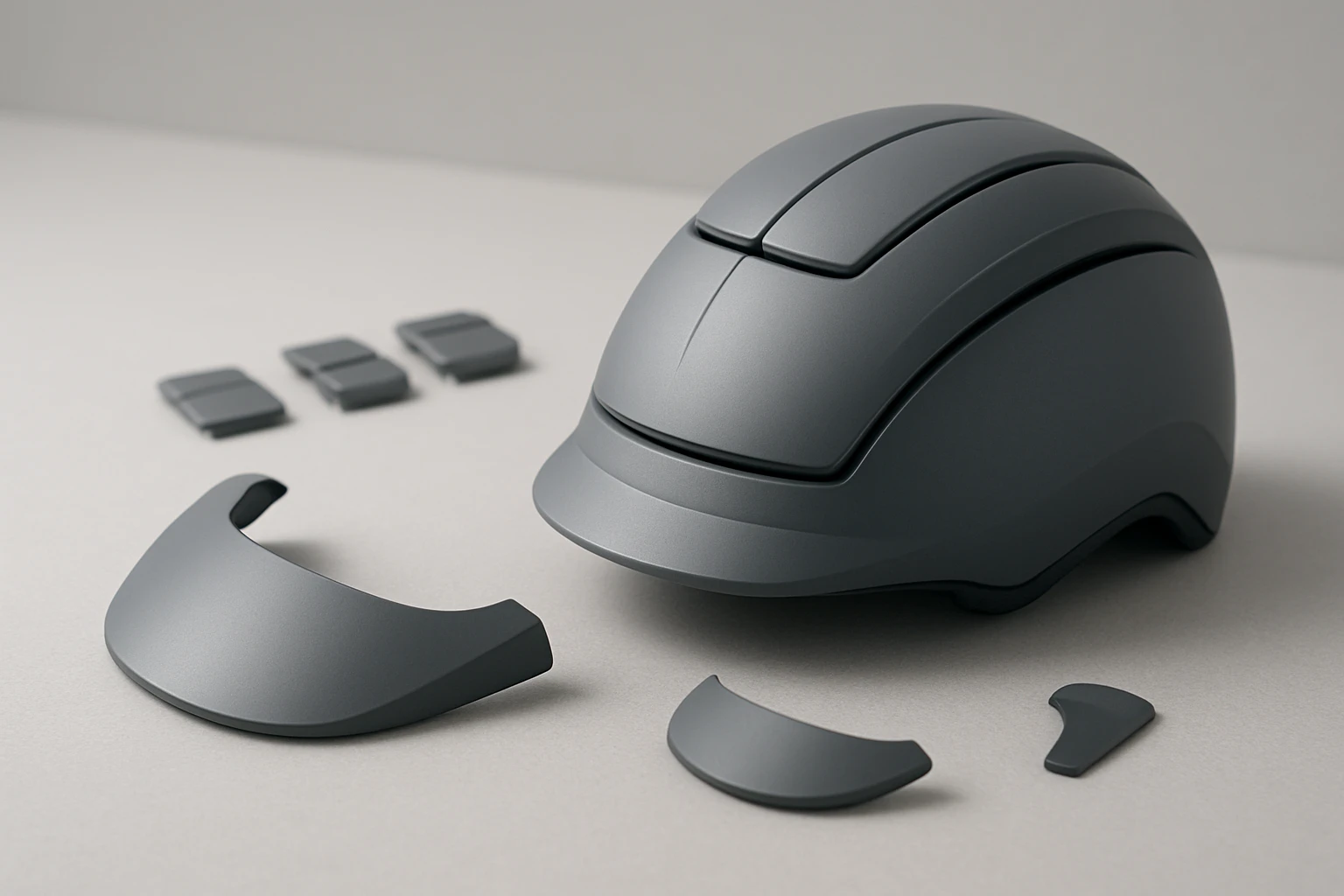
Foldable helmets combine safety with convenience, yet their moving components are subject to wear and occasional damage. This guide explains how to recognize the most common replaceable parts, perform reliable replacements, and choose high‑quality components that extend the life of a foldable helmet. Readers will learn the underlying mechanisms, step‑by‑step maintenance procedures, and criteria for selecting accessories that match their riding style. By the end of the article, one will possess the confidence to keep a foldable helmet functional and safe without unnecessary expense.
Background and Context
Foldable helmets employ hinges, locking mechanisms, visor attachments, and adjustable straps to allow compact storage. The hinge assembly must endure repeated folding cycles, while the visor retention system must secure the visor against wind and debris. Over time, plastic clips can crack, metal screws may loosen, and rubber washers can deteriorate, compromising both comfort and protection. Understanding the material composition—typically high‑impact polycarbonate shells, stainless‑steel hinges, and polymer washers—helps riders diagnose failures before they become safety hazards.
Manufacturers often provide spare‑part kits, but the market also offers universal replacements that fit a broad range of models. When selecting a part, it is essential to verify dimensions, material compatibility, and the presence of any required accessories such as washers or storage boxes. The following sections break down each major component, explain its function, and recommend proven products.
Visor Retention Screws
The visor is secured to the helmet shell by a set of small screws that thread into reinforced inserts. These screws must resist vibration, provide a firm seal, and allow quick removal for cleaning or replacement. A common failure mode is a stripped head or a missing rubber washer, which can cause the visor to wobble during high‑speed rides.
For most universal helmets, the Wevdn Helmet Visor Screws Kit offers a reliable solution. The kit includes eight screws—four black plastic and four silver metal—each paired with a rubber washer to enhance grip. The screws measure approximately 0.87 inches in length and 0.24 inches in diameter, fitting the majority of standard visor mounts. With a rating of 5.0 / 5.0 from four reviewers, the kit is praised for its durability and ease of installation.
Installation requires only a small Phillips‑type screwdriver; the ergonomic black screw tops allow tightening without slipping. The included storage box keeps the components organized, reducing the risk of loss during travel. Users typically complete the replacement within three minutes, making it an ideal emergency fix for riders on the road.
Quick‑Release Chin Strap Buckle
The chin strap buckle is a critical safety component that must lock securely while permitting rapid release in an emergency. Traditional D‑ring systems can be cumbersome, especially when a rider needs to unfasten the helmet quickly after a fall. A quick‑release buckle eliminates the need for separate clips and reduces the time required to secure the strap.
The Helmet Quick Release Buckle Kit provides a stainless‑steel adapter that replaces the standard buckle without removing existing snaps. Rated 4.2 / 5.0 from 86 reviews, customers appreciate its strong construction and the convenience of a one‑handed operation. Although a few users note a learning curve during installation, the kit includes all necessary hardware and a clear instruction sheet.
Installation involves sliding the adapter onto the existing strap and securing it with the provided rivets. The stainless‑steel material resists corrosion, making it suitable for both road and off‑road conditions. Riders report that the buckle remains firmly locked under high‑impact forces, yet releases smoothly when the lever is pressed.
Hinge Mechanisms and Locking Pins
The hinge assembly allows the helmet to fold without compromising structural integrity. Most foldable helmets use a dual‑pin locking system that engages when the helmet is fully opened. Over time, the pins can become bent or the spring tension may weaken, resulting in a loose fold.
When a hinge fails, the recommended approach is to purchase a manufacturer‑specific hinge kit, as tolerances are often model‑specific. However, for riders seeking a universal solution, stainless‑steel pins with a 0.15‑inch diameter and a spring‑loaded housing are widely available. Look for pins that include a corrosion‑resistant coating and a matching spring to restore the original tension.
To replace the hinge, first disengage the locking pins by pressing the release lever. Remove the old pins, clean any debris from the housing, and insert the new pins, ensuring the spring sits correctly. Re‑engage the lock and test the fold by opening and closing the helmet several times; the mechanism should feel smooth and secure.
Padding and Interior Liners
Interior padding provides comfort, moisture management, and impact absorption. Foam inserts can degrade, become compressed, or develop unpleasant odors after prolonged use. Many helmets feature removable liners that can be washed or replaced with aftermarket options.
When selecting replacement liners, prioritize breathable, moisture‑wicking fabrics such as perforated mesh combined with high‑density EPS foam. The liner should match the helmet’s contour to maintain the designed impact zones. Some aftermarket kits offer anti‑microbial treatments to reduce odor buildup.
Installation typically involves removing the existing liner by undoing a series of small clips or Velcro straps. Position the new liner, align any vent channels, and secure it with the original fasteners. Verify that the liner does not shift when the helmet is tightened, as movement can affect fit and safety.
Strap Adjusters and Buckles
Adjustable strap mechanisms allow riders to fine‑tune helmet fit. Over time, the plastic sliders can crack, and the metal buckles may lose their locking capability. Replacing these components restores the ability to achieve a snug fit without excessive pressure.
Universal strap adjusters are available in anodized aluminum, offering a balance of strength and lightweight performance. When purchasing, ensure the adjuster’s width matches the existing strap—commonly 10 mm or 12 mm. Buckles made from stainless steel provide resistance to rust, especially for riders in humid climates.
To replace an adjuster, cut the strap just beyond the worn component, thread the new adjuster through the strap, and re‑secure with a rivet or a strong adhesive designed for polymer materials. For buckles, slide the new unit onto the strap and lock it in place, confirming that it engages fully at the closed position.
Comparison and Selection Guide
| Component | Universal Option | Manufacturer‑Specific Option | Key Considerations |
|---|---|---|---|
| Visor Screws | Wevdn Helmet Visor Screws Kit | OEM screw set | Material compatibility, washer inclusion, size match |
| Quick‑Release Buckle | Helmet Quick Release Buckle Kit | OEM buckle | Installation difficulty, stainless‑steel durability |
| Hinge Pins | Stainless‑steel universal pins | OEM hinge kit | Pin diameter, spring tension, corrosion resistance |
| Padding | Aftermarket breathable liner | OEM liner | Fit, moisture‑wicking, EPS density |
| Strap Adjuster | Anodized aluminum adjuster | OEM adjuster | Width match, material strength |
When choosing between universal and OEM parts, prioritize safety certifications such as DOT or ECE for any component that directly influences impact protection. Universal parts are cost‑effective and readily available, yet they must match the original dimensions precisely. OEM parts guarantee exact fit but may be more expensive and harder to source.
Best Practices and Maintenance Tips
- Inspect all fasteners weekly; tighten any that feel loose using the appropriate screwdriver.
- Store spare parts in a dry, temperature‑controlled environment to prevent corrosion.
- When replacing visor screws, always use the supplied rubber washer to maintain a secure seal.
- Lubricate hinge pins with a light PTFE‑based grease to ensure smooth operation.
- Clean interior padding with a mild detergent and air‑dry completely before re‑installation.
Regular maintenance not only extends component life but also preserves the helmet’s protective performance. Document each replacement with the date and part number; this record assists in warranty claims and future troubleshooting. Finally, always test the helmet after any repair by performing a controlled fit check and a brief movement test to confirm that all mechanisms operate as intended.
Frequently Asked Questions
- How often should visor screws be replaced?
- Visor screws should be inspected every three months and replaced if the head becomes stripped or the washer shows signs of wear.
- Can I use a universal quick‑release buckle on any helmet?
- Most universal buckles fit helmets with standard strap dimensions (10 mm–12 mm). Verify the strap width before purchase.
- What is the safest material for hinge pins?
- Stainless‑steel with a corrosion‑resistant coating offers the best combination of strength and longevity.
- Do aftermarket liners affect helmet safety ratings?
- Provided the liner matches the original thickness and density, safety ratings remain unchanged. Always use liners approved for the specific helmet model.
- Is it necessary to replace the strap adjuster if it only shows minor cracks?
- Yes; a compromised adjuster can slip under tension, leading to an insecure fit, which reduces safety during impact.
Conclusion
Replaceable parts are essential to maintaining the functionality and safety of foldable helmets. By understanding the role of each component, following systematic replacement procedures, and selecting high‑quality products, riders can ensure that their helmets perform reliably over many years. The guide has highlighted the most common wear points, offered practical installation advice, and presented vetted product options that balance affordability with durability. Armed with this knowledge, one can approach helmet maintenance with confidence and peace of mind.
Products Featured in This Guide
Wevdn Helmet Visor Screws Kit
Price: $6.89 | Rating: 5.0/5.0 (4 reviews)
Featured for its universal fit, inclusion of rubber washers, and ergonomic design that enables quick, tool‑free installation.
Helmet Quick Release Buckle Kit
Price: $9.99 | Rating: 4.2/5.0 (86 reviews)
Featured for its stainless‑steel construction, ease of conversion from traditional D‑rings, and strong user endorsement for reliability.