Introduction
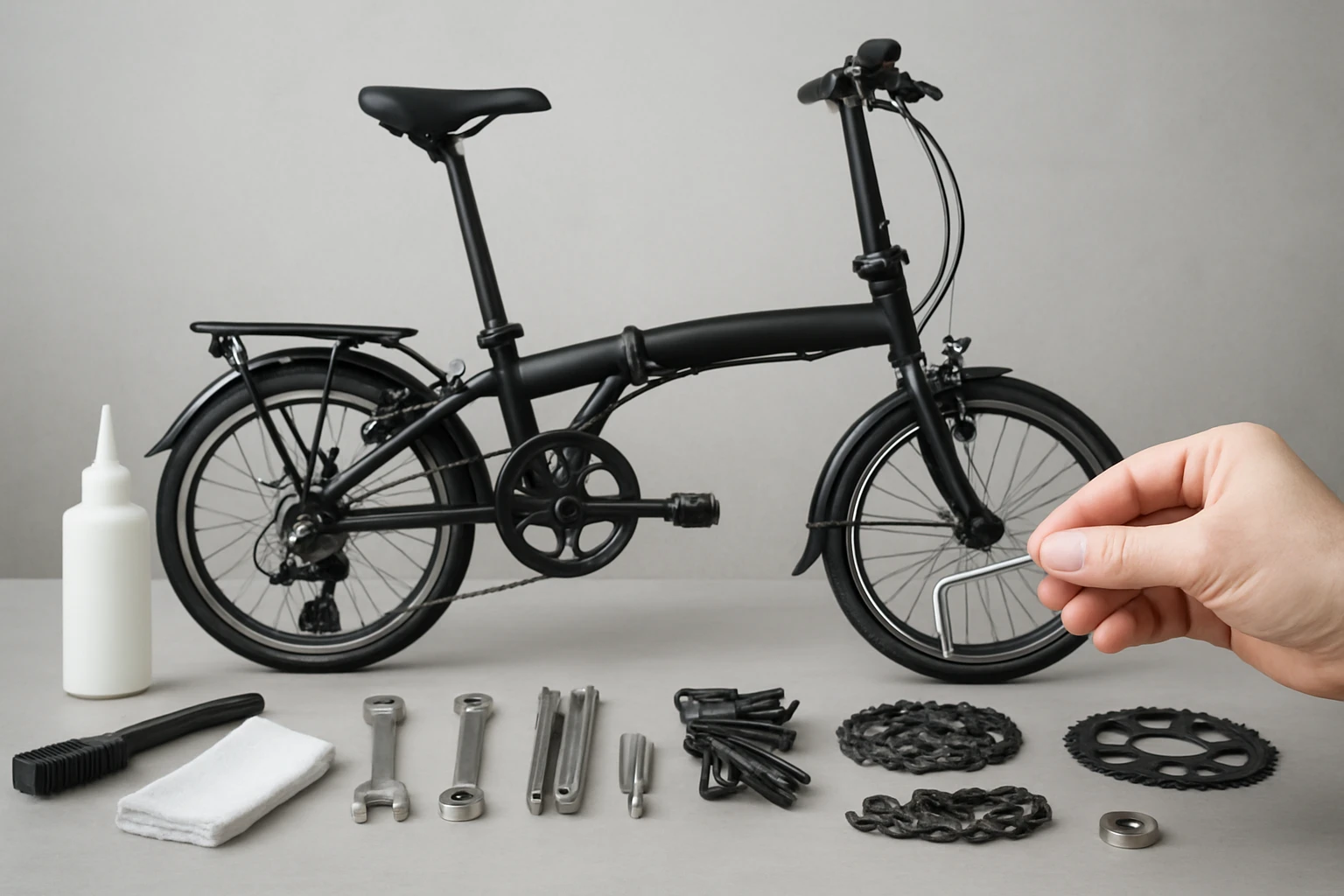
This guide presents a systematic, step‑by‑step maintenance checklist for folding bicycles. Readers will learn how to inspect, clean, adjust, and store their bike to extend component life and ensure safety. The article balances theoretical knowledge with practical product recommendations that add measurable value. By following the checklist, cyclists can perform routine care without relying on a professional workshop.
Background / Context
Folding bicycles combine the performance of a traditional bike with the convenience of a compact form factor. Because the frame, hinge, and wheel components are engineered for repeated folding and unfolding, they experience unique stresses that demand regular attention. Understanding the mechanics of hinges, quick‑release systems, and compact drivetrains provides the foundation for effective maintenance. This background enables the rider to diagnose issues before they become safety hazards.
Pre‑Ride Inspection
Before every ride, a visual and tactile inspection prevents unexpected failures. Check that the folding hinge locks securely and that the latch pins are free of debris. Verify that the quick‑release skewers on both wheels are tightened to the manufacturer’s torque specifications. Finally, ensure that the handlebar stem and seat post clamps are fully engaged and that the brake levers return smoothly.
Wheel and Tire Care
Wheel integrity is critical for a folding bike, as the compact wheels often have thinner rims. Inspect the rim tape for cuts and confirm that the spokes are evenly tensioned. Use a reliable multi‑tool to adjust spoke tension when necessary. The Crankbrothers M19 Multi Tool provides the required hex wrenches and spoke wrenches for on‑the‑road adjustments.
Next, examine the tire tread for wear and check the sidewalls for punctures or cuts. Inflate the tires to the recommended pressure, which is typically printed on the sidewall. If the tire shows signs of dry rot, replace it promptly to avoid a sudden blowout. A portable pump and a tire lever should be part of every rider’s kit.
Drivetrain Maintenance
The drivetrain of a folding bike includes a compact chain, narrow‑wide chainrings, and a rear derailleur that may be more exposed to street grime. Regular cleaning removes abrasive particles that accelerate wear. The Focopot Bike Cleaning Kit offers a biodegradable degreaser, chain scrubber, and high‑quality lubricant that protect steel and carbon components alike.
After cleaning, inspect the chain for stretch using a chain wear indicator. Replace the chain if it exceeds the manufacturer’s limit, as a worn chain can damage cassette teeth. Use the chain tool included in the Crankbrothers multi‑tool to remove and reinstall the chain without compromising link integrity.
Brake System Check
Folding bikes often employ either rim brakes or disc brakes, each with specific maintenance requirements. For rim brakes, verify that the brake pads are aligned with the braking surface and that the pads have sufficient thickness. For disc brakes, inspect the rotor for warping and ensure that the caliper pistons move freely.
When adjustment is needed, the Cyclists 27‑Piece Bike Tool Kit supplies the necessary hex keys and screwdrivers. The kit also includes a torque wrench that helps tighten bolts to the correct specifications, preventing over‑tightening that could crack carbon components.
Frame and Folding Mechanism
The folding hinge is the most distinctive component of a folding bicycle. Lubricate the hinge pins with a light, non‑sticky oil to maintain smooth operation. Check for any play or looseness that could indicate worn bushings.
Inspect the frame for cracks, especially around the hinge area where stress concentrations are highest. Use a bright flashlight to reveal hairline fractures that may not be visible under normal lighting. If any damage is detected, cease riding and seek professional repair.
Using a Repair Stand
Performing thorough maintenance is safer and more efficient when the bike is secured on a stable platform. The VEVOR Adjustable Bike Repair Stand offers a 66‑lb load capacity, adjustable height, and a 360° rotating clamp that accommodates the compact geometry of folding bikes.
Set the stand to a comfortable working height to avoid back strain. The magnetic tool tray on the stand keeps small components within easy reach, reducing the likelihood of loss. When the maintenance session is complete, fold the stand for compact storage in the garage or trunk.
Comparison / Selection Guide
Choosing the right maintenance accessories depends on the rider’s skill level, budget, and frequency of use. The table below compares the four featured products across key criteria.
| Product | Primary Use | Weight (g or lbs) | Price (CAD / USD) | Rating |
|---|---|---|---|---|
| Crankbrothers M19 Multi Tool | On‑the‑road adjustments, chain and spoke work | 175 g | CAD 48.98 | 4.8/5 (18,873 reviews) |
| Focopot Bike Cleaning Kit | Comprehensive drivetrain cleaning and lubrication | Varies (kit) | USD 18.99 | 4.5/5 (316 reviews) |
| Cyclists 27‑Piece Bike Tool Kit | Full‑house home mechanic set | Varies (case) | USD 94.90 | 4.6/5 (254 reviews) |
| VEVOR Adjustable Bike Repair Stand | Stable work platform for detailed repairs | 66 lb capacity | USD 62.90 | 4.3/5 (737 reviews) |
For riders who need a lightweight, pocket‑sized solution, the Crankbrothers multi‑tool is the optimal choice. Cyclists who prefer a complete home workshop should consider the 27‑piece kit, despite its larger case. The cleaning kit is indispensable for preserving drivetrain efficiency, while the VEVOR stand is essential for extensive overhauls that require the bike to be elevated.
Best Practices & Tips
- Perform the full checklist at least once a month, or after any long ride on rough terrain.
- Use thread‑locking compound on bolts that are not meant to be removed frequently, such as the hinge pins.
- Store the bike in a dry environment to prevent corrosion on steel components.
- When tightening bolts, consult the manufacturer’s torque specifications; overtightening can strip aluminum threads.
- Keep a small log of maintenance dates, mileage, and parts replaced to track wear patterns over time.
Frequently Asked Questions
- How often should the folding hinge be lubricated? Lubricate the hinge every three to six months, or after exposure to rain, to maintain smooth operation.
- Can I use a regular bike pump on a folding bike’s high‑pressure tires? Yes, provided the pump can deliver the required pressure; many folding bikes use 90‑120 psi tires.
- Is it safe to ride with a slightly loose quick‑release skewer? No, a loose skewer can cause the wheel to detach; always verify that the lever is fully engaged before riding.
- What is the best way to store a folding bike long‑term? Disassemble the hinge, store the frame in a climate‑controlled area, and keep the tires inflated to prevent flat‑spotting.
- Do I need a separate tool for disc brake bleed? Yes, a bleed kit with a syringe and appropriate brake fluid is required; the multi‑tool does not include these items.
- How can I tell if my chain needs replacement? Use a chain wear indicator; if the indicator shows excessive wear at the recommended threshold, replace the chain.
- Will the VEVOR stand fit all folding bike frame sizes? The stand’s adjustable height and 360° rotating clamp accommodate most frame geometries, including compact folding designs.
Conclusion
The Ultimate Folding Bike Maintenance Checklist equips riders with the knowledge and tools to keep their bicycles in peak condition. By following the systematic inspection, cleaning, adjustment, and storage steps, cyclists can prevent costly repairs and enjoy reliable performance. The recommended products complement each maintenance phase, offering durability, convenience, and value. Consistent adherence to the checklist ensures safety, extends component life, and maximizes the enjoyment of folding bike ownership.
Products Featured in This Guide
Crankbrothers M19 Multi Tool
Price: CAD 48.98 | Rating: 4.8/5 (18,873 reviews)
Why featured: Provides a compact set of hex wrenches, spoke wrenches, and a chain tool that are essential for on‑the‑road adjustments on folding bicycles.
Focopot Bike Cleaning Kit
Price: USD 18.99 | Rating: 4.5/5 (316 reviews)
Why featured: Includes a biodegradable degreaser, chain scrubber, and premium lubricant, allowing riders to clean and protect the drivetrain efficiently.
Cyclists 27‑Piece Bike Tool Kit
Price: USD 94.90 | Rating: 4.6/5 (254 reviews)
Why featured: Offers a comprehensive set of tools, including torque wrenches and specialty bike tools, suitable for detailed maintenance of folding bikes.
VEVOR Adjustable Bike Repair Stand
Price: USD 62.90 | Rating: 4.3/5 (737 reviews)
Why featured: Provides a sturdy, height‑adjustable platform with a 360° rotating clamp and magnetic tool tray, ideal for comprehensive folding bike overhauls.
Frequently Asked Questions
How often should I inspect the folding hinge on my bike?
Check the hinge before every ride and perform a thorough inspection at least once a month for wear or looseness.
What is the best way to clean a folding bike’s quick‑release skewers?
Wipe the skewers with a dry cloth, remove debris, then lubricate the threads with a light bike grease before re‑securing.
Can I store my folding bike in a humid environment without damage?
Yes, but protect it with a breathable cover and apply anti‑rust spray to metal parts to prevent corrosion.
How do I know if the latch pins need replacement?
If the pins feel wobbly, show cracks, or fail to lock securely, replace them immediately to maintain safety.
What routine maintenance extends the drivetrain life on a folding bike?
Regularly clean the chain, lubricate it after each ride, and check chain tension and derailleur alignment monthly.