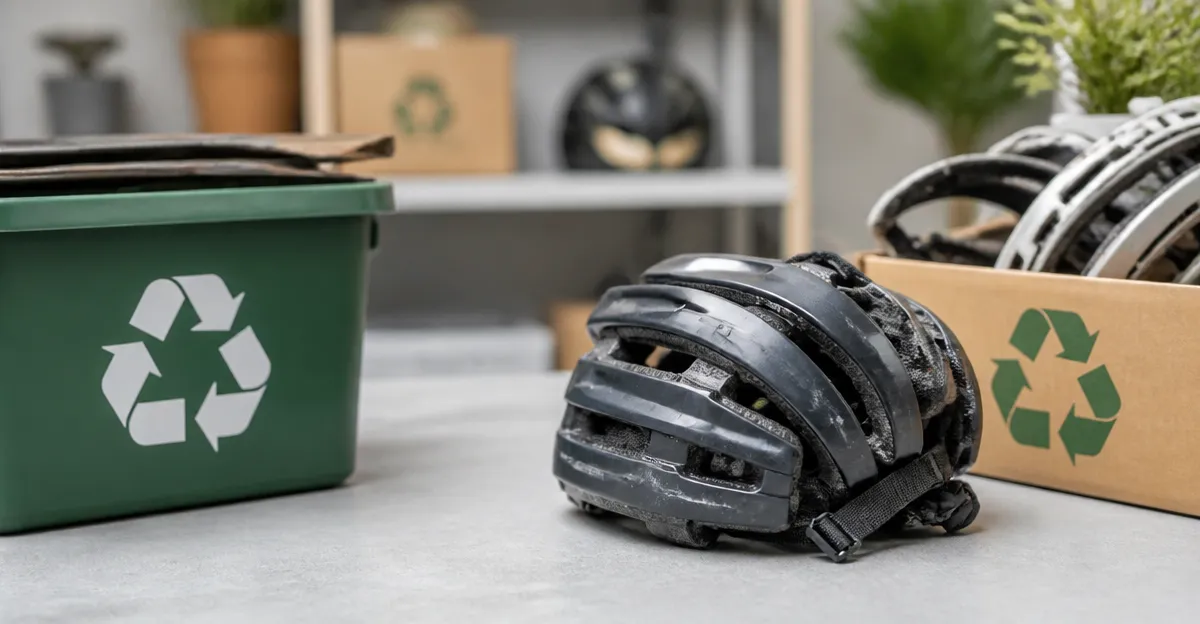
Where to Recycle or Upcycle a Damaged Foldable Helmet: The Complete Guide to Local Drop‑Offs, Mail‑In Programs & DIY Upcycles
Introduction
The modern cyclist often relies on a foldable helmet for convenience and safety. When that helmet becomes cracked, dented, or otherwise compromised, disposal decisions become critical. This guide explains where one can responsibly recycle a damaged foldable helmet, how to participate in mail‑in programs, and which DIY upcycling projects can extend the helmet’s life. Readers will also discover curated product recommendations that support sustainable repair and creative repurposing.
Background and Context
Foldable helmets are typically constructed from expanded polystyrene (E‑PS) foam encased in a polymer shell. The foam provides impact absorption, while the outer shell offers weather resistance. Because E‑PS is lightweight and difficult to shred, many municipal recycling streams do not accept it, leading to landfill accumulation. Understanding material composition helps users identify appropriate recycling channels and informs safe upcycling practices.
In addition to material considerations, safety standards dictate that a damaged helmet should never be used for its original purpose. The United Nations Sustainable Development Goals encourage waste reduction through reuse, repair, and recycling. By following the strategies outlined herein, individuals can align personal actions with broader environmental objectives.
Local Drop‑Off Options
Many communities partner with specialized recyclers that accept E‑PS products. The following steps guide users through locating a nearby drop‑off point:
- Visit the website of the local waste management authority and search for "expanded polystyrene recycling".
- Identify commercial facilities such as "Plastic Recycling Centers" or "Eco‑Drop" stations that list helmet acceptance.
- Call ahead to confirm drop‑off hours and any preparation requirements, such as removing straps or padding.
- Transport the helmet in a sturdy box to prevent further damage during transit.
When a drop‑off location is unavailable, consider donating the helmet to a bike‑share program that refurbishes equipment for community use. Some programs accept damaged helmets for parts, such as straps or buckles, which can be salvaged for future projects.
Mail‑In Recycling Programs
Several manufacturers and third‑party organizations operate mail‑in services for hard‑to‑recycle items. The process typically involves the following:
- Visit the program’s website and request a prepaid shipping label.
- Package the helmet securely, ensuring that any loose components are wrapped to avoid loss.
- Drop the package at a local post office or schedule a pickup.
- Track the shipment until the recycling facility confirms receipt.
One reputable service, RecycleNow, accepts E‑PS helmets nationwide and guarantees that the material will be processed into insulation or packaging products. Fees are generally free for a limited number of items per household, making this a cost‑effective solution.
DIY Upcycling Ideas
When recycling is not immediately feasible, creative upcycling can transform a damaged helmet into a functional or decorative object. The following projects illustrate how to repurpose the helmet while preserving its structural integrity:
1. Portable Plant Pot
By cutting the helmet’s interior foam and lining the cavity with a waterproof liner, one can create a lightweight, mobile planter. The outer shell protects the soil from wind, making it ideal for balcony gardens. For decorative flair, paint the shell with non‑toxic acrylics.
2. Desk Organizer
Remove the inner foam and attach small compartments using recycled cardboard. The helmet’s curvature naturally holds pens, scissors, and other office supplies. This project reduces clutter while showcasing a conversation‑starting piece of upcycled art.
3. Pet Bed
For small dogs or cats, the helmet can serve as a cozy, insulated sleeping nook. Place a soft cushion inside and secure the straps to maintain shape. The breathable shell ensures adequate airflow, preventing overheating.
Each of these projects benefits from guidance found in the books listed below, which provide step‑by‑step instructions for upcycling various materials.
Recommended Products
To assist readers in executing upcycling projects, the following publications offer comprehensive techniques and inspiration. The first mention of each product includes a direct affiliate link.
Upcycle Nearly Everything by Calin Duke presents a broad range of ideas for converting everyday waste into functional objects. The paperback edition costs $18.99 and holds a rating of 4.6 out of 5 based on 18 reviews. Its clear illustrations make it suitable for beginners seeking confidence in material handling.
For artists focused on waste‑based creations, Upcycle Artist's Handbook offers a comprehensive guide to creating art from discarded items. Priced at $23.00, it carries a 4‑star rating from two reviewers and includes detailed case studies that inspire innovative design.
Parents looking for child‑friendly projects will appreciate Trash to Treasure. At $5.72, this pocket‑size guide provides age‑appropriate crafts, including a chapter on repurposing helmets for play. The book enjoys a 4.6‑star rating from seven reviewers, indicating high satisfaction among families.
Teen entrepreneurs can explore the business side of upcycling with Teen's Upcycle Guide. This $14.99 paperback holds a 4.5‑star rating from five reviews and outlines how to market upcycled products, set pricing, and manage online sales platforms.
Comparison and Selection Guide
Choosing the right resource depends on the reader’s goals, skill level, and budget. The table below summarizes key attributes of each publication.
| Product | Target Audience | Price | Rating | Best For |
|---|---|---|---|---|
| Upcycle Nearly Everything | General DIY enthusiasts | $18.99 | 4.6/5 (18 reviews) | Broad range of projects, clear visuals |
| Upcycle Artist's Handbook | Creative professionals | $23.00 | 4/5 (2 reviews) | Art‑focused upcycling, advanced techniques |
| Trash to Treasure | Parents & children | $5.72 | 4.6/5 (7 reviews) | Kid‑friendly projects, safety tips |
| Teen's Upcycle Guide | Young entrepreneurs | $14.99 | 4.5/5 (5 reviews) | Business strategies for upcycled goods |
Readers seeking a single, versatile reference should start with Upcycle Nearly Everything. Those who wish to monetize their creations may benefit most from Teen's Upcycle Guide, while families looking for safe, fun activities should consider Trash to Treasure.
Best Practices & Tips
Regardless of the chosen recycling or upcycling pathway, adhering to safety and environmental best practices maximizes impact. Follow these recommendations:
- Wear protective gloves when cutting or sanding helmet material to avoid inhaling foam particles.
- Separate metal components such as buckles and straps; these can be recycled through metal scrap programs.
- Test any upcycled product for structural stability before regular use, especially when repurposing for pets or children.
- Document the transformation process with photos; this documentation can support marketing efforts for upcycled goods.
- Share successful projects on social media using hashtags like #UpcycleHelmet to inspire community participation.
Frequently Asked Questions
- 1. Can a damaged foldable helmet be repaired for continued use?
- Repair is generally not recommended because the foam core loses its impact‑absorbing properties after a crack. Safety standards require replacement rather than repair for protective gear.
- 2. Are there any free mail‑in recycling services?
- Yes, programs such as RecycleNow provide a limited number of free shipments per household, making it a cost‑effective option for occasional recycling.
- 3. How should I prepare a helmet for mailing?
- Wrap the helmet in bubble wrap, place it inside a sturdy cardboard box, and include any detachable metal parts in a separate padded envelope.
- 4. What local facilities accept expanded polystyrene?
- Many municipal recycling centers partner with private firms like GreenCycle; checking the city’s official website will reveal the nearest accepted location.
- 5. Can I use the helmet shell for outdoor furniture?
- Yes, the durable shell can serve as a protective cover for small garden stools or as a base for a lightweight side table, provided the foam is removed.
- 6. Is it legal to dispose of helmets in regular trash?
- Legality varies by jurisdiction, but most areas classify helmets as non‑hazardous waste, allowing disposal in regular trash if recycling options are unavailable.
- 7. Where can I sell upcycled helmet products?
- Online marketplaces such as Etsy, local craft fairs, and community pop‑up shops are effective channels for selling upcycled creations.
Conclusion
This guide has outlined responsible pathways for recycling a damaged foldable helmet, detailed mail‑in programs, and presented creative upcycling projects that extend the product’s lifecycle. By leveraging local drop‑off centers, participating in free mail‑in services, and applying the DIY ideas presented, readers can reduce waste and potentially generate income. The recommended publications provide additional depth, ensuring that both novices and seasoned upcyclers possess the knowledge required to act responsibly.
Products Featured in This Guide
Upcycle Nearly Everything
Price: $18.99 | Rating: 4.6/5 (18 reviews)
Featured because it offers a broad spectrum of upcycling ideas, including step‑by‑step instructions suitable for transforming a damaged helmet into functional objects.
Upcycle Artist's Handbook
Price: $23.00 | Rating: 4/5 (2 reviews)
Featured for its focus on artistic applications of waste materials, providing inspiration for creative helmet‑based sculptures and installations.
Trash to Treasure
Price: $5.72 | Rating: 4.6/5 (7 reviews)
Featured because it presents kid‑friendly projects, making it ideal for families who wish to involve children in helmet upcycling activities.
Teen's Upcycle Guide
Price: $14.99 | Rating: 4.5/5 (5 reviews)
Featured for its entrepreneurial focus, helping teens turn upcycled helmet creations into a side‑gig or small business.